


Tinubu Nominates Joseph Tegbe as Power Minister
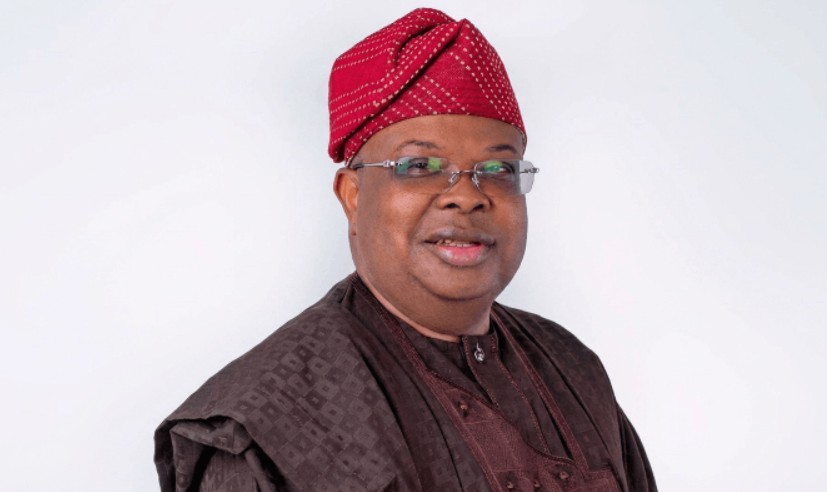
President Bola Ahmed Tinubu has tapped Joseph Tegbe, a former KPMG partner, to lead the Ministry of Power. This choice signals a shift from political patronage to technocratic management in a sector that remains Nigeria’s most stubborn economic bottleneck. Tegbe replaces Adebayo Adelabu, who resigned to revive his quest for the governorship of Oyo State. The nomination now sits with the Senate for screening. It arrives at a time when the national grid remains a fragile and frequent disappointment.
The President is betting on 35 years of private-sector discipline to fix public-sector rot. Tegbe spent much of his career leading advisory services for KPMG Africa, focusing on fiscal policy and institutional reform. He understands the plumbing of the Nigerian state. This background suggests a focus on the financial viability of the power value chain rather than just engineering fixes. Solving the liquidity crisis in the sector is more urgent than any ribbon-cutting ceremony.
Tegbe is not a stranger to the specific mess he is inheriting. He previously advised the Nigerian Electricity Regulatory Commission and the Nigerian Bulk Electricity Trading Company on institutional frameworks. These agencies sit at the heart of the current pricing and supply disputes. His deep knowledge of these bodies should, in theory, shorten his learning curve. The presidency expects him to attract the elusive investment needed to stabilise the grid. Success will depend on whether he can turn that expertise into actual megawatts.
The new nominee currently serves as the liaison for the Nigeria-China Strategic Partnership. This role is significant given China’s heavy involvement in Nigeria’s infrastructure and energy projects. Leveraging this relationship could provide the capital and hardware the sector desperately lacks. However, navigating the geopolitics of energy finance is a delicate task. Tegbe must ensure that bilateral deals translate into reliable electricity for local factories and homes.
His appointment also keeps a key cabinet slot within the Oyo State political orbit. While the move is technocratic, it satisfies the regional arithmetic that governs Nigerian governance. Tegbe is an economic reform expert who has spent decades telling governments how to behave. He must now prove that a consultant can actually govern. Transitioning from an advisory role to taking responsibility is a path littered with previous failures.
The Ministry of Power is often described as a graveyard for reputations. Every predecessor has promised light and delivered mostly darkness. Tegbe’s pedigree in governance and regulatory reform gives him a better starting point than most. Nigerians, however, have grown weary of impressive resumes. They want a minister who can stop the frequent collapse of the national grid. If Tegbe fails to deliver improved outcomes, his vast experience will matter very little to a frustrated public.