


Nigeria’s Sickle Cell Crisis Demands Urgent Action
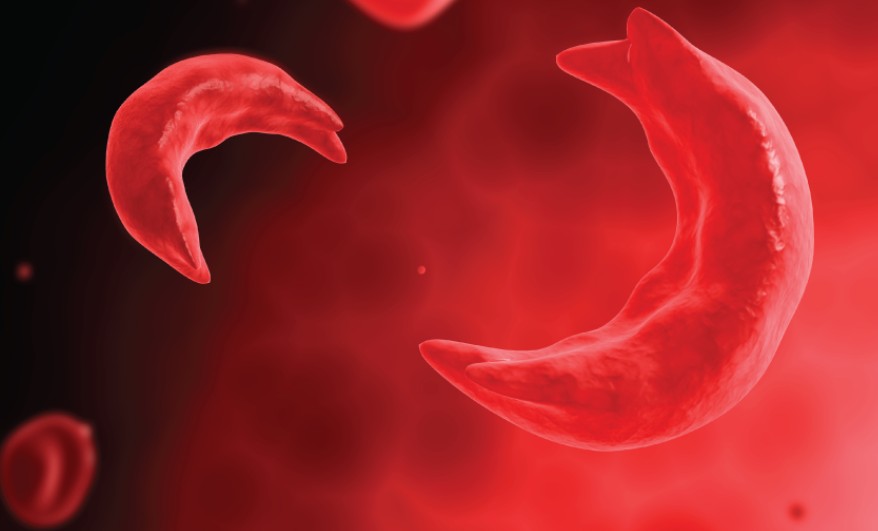
Medical experts and researchers are calling for a unified front to address the escalating burden of Sickle Cell Disease (SCD) in Nigeria and across Sub-Saharan Africa. At a high-level meeting held at the University of Abuja, stakeholders warned that the condition is pushing already fragile healthcare systems to a breaking point. With millions of lives at stake, the focus has shifted from mere research to the urgent implementation of life-saving medical findings.
The Scale of the Burden
Nigeria currently faces one of the highest SCD burdens in the world. The statistics paint a sobering picture of a public health emergency:
-
Annual Births: Approximately 150,000 children are born with the disorder every year in Nigeria.
-
Carrier Rate: About 1 in 4 Nigerians carries the sickle cell trait (AS).
-
Prevalence: Between 1.5% and 2% of the total population currently lives with the disease (SS).
Vice-Chancellor Prof. Hakeem Fawehinmi noted that many of these children face a “lifetime of pain” and interrupted education, particularly in rural and peri-urban areas where access to specialized care is virtually non-existent.
The PACTS Programme: Research into Action
The Patient-Centred Sickle Cell Disease Management in Sub-Saharan Africa (PACTS) programme, funded by the UK’s National Institute for Health and Care Research, is entering its final phase. The initiative, which operates in Nigeria, Ghana, and Zambia, has spent four years evaluating the quality of care across various health facilities.
Key areas of clinical focus include:
-
Penicillin Prophylaxis: Preventing life-threatening infections in young children.
-
Hydroxyurea Therapy: A critical medication used to reduce the frequency of painful crises and blood transfusions.
-
Blood Transfusion Practices: Ensuring safe and timely access for patients with severe complications.
Prof. Obiageli Nnodu, the Co-Principal Investigator, revealed that the study covers six health institutions in the Federal Capital Territory (FCT), ranging from major tertiary hospitals to community-level primary healthcare centres. The goal is to ensure that every patient, regardless of where they seek help, receives care that meets national and international standards.
Barriers to Care: Stigma and Poverty
The experts identified two major non-medical hurdles that continue to claim lives: Social Stigma and Financial Hardship.
-
Community Stigma: Prof. Nnodu highlighted that fear of being ostracized often prevents mothers from bringing their babies for early screening and care. To combat this, a new radio programme titled “Before it’s too late” is being launched to educate the public and encourage early intervention.
-
Financial Strain: Prof. Imelda Bates of the Liverpool School of Tropical Medicine emphasized the devastating economic impact on families. High out-of-pocket expenses make long-term care unsustainable for many, especially in households where multiple children are affected.
The Path Forward
The consortium’s recommendations are clear: Nigeria must move beyond academic discovery and toward sustained implementation. This includes:
-
Scaling up screening: Identifying the condition at birth to start treatment immediately.
-
Workforce training: Equipping more healthcare providers with specialized SCD management skills.
-
Government-led collaboration: Ensuring that research findings are integrated into national health policies.
As the PACTS programme concludes its current phase, the challenge remains for the Nigerian government and its partners to ensure these “gains” are not lost, but rather used to build a resilient system that supports the dignity and health of every sickle cell warrior.