


Senate Confirms Tegbe as Minister of Power
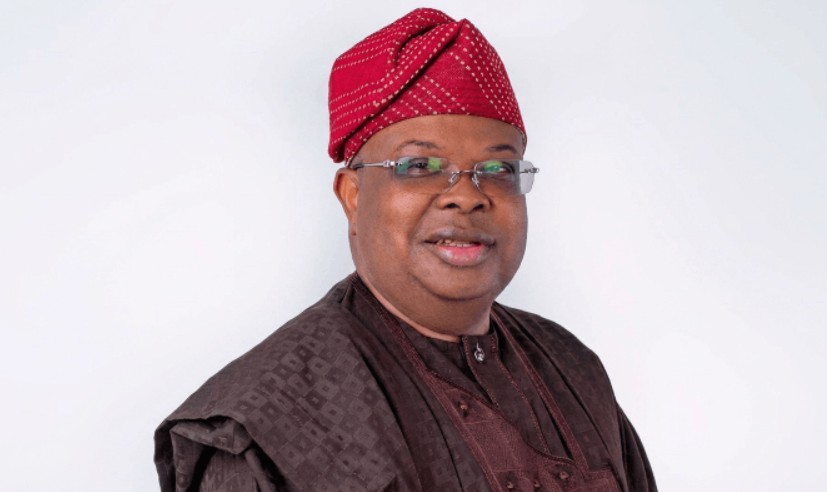
The Senate confirmed Olasunkanmi Tegbe as Power Minister on Wednesday, handing him the most poisoned chalice in the cabinet. Lawmakers demanded an immediate end to the national grid collapses that have made a mockery of Nigeria’s industrial goals. The grid has failed so often that it is now a predictable feature of national life rather than an accident. Tegbe admitted the system is broken at its roots, blaming poor coordination and weak standards. He has exactly 100 days to prove he can do more than just describe the problem.
His primary hurdle is a liquidity crisis worth 6 trillion naira. This debt overhang has scared off investors and left the entire value chain gasping for air. Tegbe plans to push for market-reflective tariffs while claiming he will protect the poor. This is a difficult balancing act that few of his predecessors managed to perform. Without a functional financial model, the sector will remain a black hole for public funds. He must find a way to make the books balance before the lights stay on.
Transmission remains the weakest link in the chain. Even when power plants generate electricity, the aging lines often fail to carry it to homes. Senator Mohammed Tahir Monguno noted that insurgents in the North-east have made things worse by destroying towers. Tegbe intends to treat vandalism as a national security threat rather than a simple theft. He will need the National Security Adviser and the military to stop the bleeding. Protecting copper wires in the bush is now as vital as fixing the turbines.
The Senate also took aim at the “generator cabal” that profits from every blackout. Senate President Godswill Akpabio alleged that certain interests actively work against a stable grid to protect their sales. Tegbe must confront these entrenched forces while trying to fix a fragmented industry. Generation, transmission, and distribution often work at cross purposes. He promised to force these units into a single, cohesive strategy. Synergy is a fine word, but enforcing it in a sector this dysfunctional requires a heavy hand.
Metering is the only way to stop the friction between DISCOs and their customers. Millions of Nigerians still receive estimated bills for power they never used. Tegbe pledged to speed up the rollout of meters to ensure people pay only for what they consume. This is not just about fairness. It is about ensuring the distribution companies actually collect enough revenue to pay the generating plants. Accurate billing is the first step toward a solvent electricity market.
Rural Nigeria remains largely in the dark, with 70 per cent of communities lacking access. Tegbe plans to use mini-grids and solar power to bypass the failing national infrastructure. Decentralised energy is a practical admission that the central grid may never reach every corner of the country. If he can scale these local solutions, he might reduce the pressure on the main lines. Small-scale success in the villages could provide the blueprint for the cities.
The new minister has promised a public dashboard to track his progress. He wants Nigerians to hold him to a three-month deadline for visible change. This is a bold move in a country where cabinet members usually prefer the shadows of bureaucracy. If he fails, the Senate has made it clear that patience has run out. For Tegbe, the honeymoon ended the moment he left the floor of the Red Chamber.