
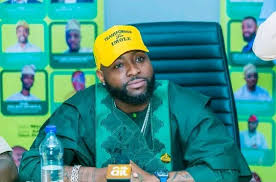
Afrobeats superstar Davido, whose full name is David Adeleke, has moved beyond passive support to become an active participant in the governorship re-election campaign of Osun State Governor Ademola Adeleke, signalling a deepening intersection between celebrity influence and electoral politics ahead of the August ballot.
In posts shared across his social media pages, the award-winning musician announced the inauguration of the Imole Youth Mobilisation Campaign Council, a grassroots structure designed to energise young voters and drive wider community engagement for the governor’s second-term bid. The move goes notably further than a standard endorsement, positioning Davido as an organiser within the campaign machinery rather than simply a famous face lending his name to a cause.
Perhaps more symbolically significant, Davido disclosed that he obtained a membership card of the Accord Party in Osun State, the platform under which Governor Adeleke is seeking re-election. The step represents a direct entry into formal partisan politics for the singer, who had in previous cycles largely restricted his political expressions to social media commentary and public statements.
Governor Ademola Adeleke, who is Davido’s uncle, won the Osun governorship election in July 2022, defeating the incumbent All Progressives Congress candidate Adegboyega Oyetola in a result that was fiercely contested at the tribunal before being upheld by the courts. The forthcoming election, scheduled for August 2025, will test whether the Peoples Democratic Party administration has consolidated enough support to secure another term, though Adeleke is now running on the Accord Party platform following a party switch.
Davido expressed confidence in the governor’s standing, describing the current administration as one enjoying broad acceptance among residents of the state and suggesting that existing goodwill could translate into a commanding performance at the polls.
His public involvement has generated considerable conversation online. Supporters view his entry into active campaign work as a meaningful contribution to youth voter awareness, given that a substantial portion of his following falls within the voting-age bracket. Critics, however, have raised familiar concerns about the weight that celebrity endorsements should carry in serious electoral contests, questioning whether entertainment influence is an appropriate substitute for policy-based political persuasion.
Nigeria’s electoral history offers mixed evidence on the measurable impact of celebrity backing at the ballot box, and political analysts have long debated whether such endorsements shift votes or primarily generate media attention.