
Nigeria’s state governments have abruptly tightened their purse strings. Capital expenditure across 26 states fell by 58% in the first quarter of 2026, dropping to N1.59tn from N3.79tn in the previous quarter. This N2.2tn contraction signals a sharp pivot away from infrastructure as the 2027 general elections approach. While roads and hospitals wait, political alignments and recurrent costs are beginning to take centre stage.
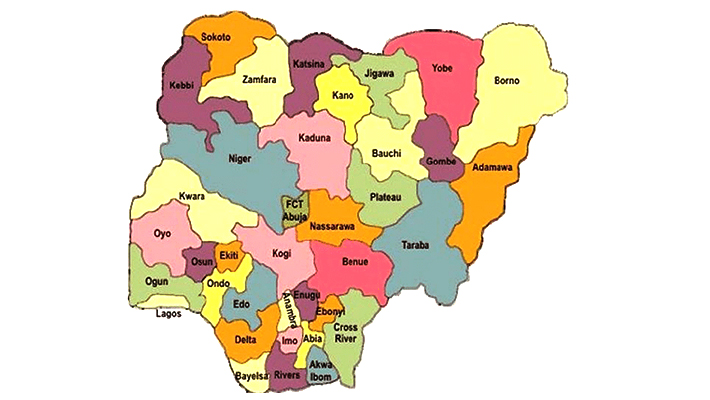
The retreat from development projects is nearly universal. Of the 26 states reporting, 25 recorded significant declines in spending. Enugu saw the most dramatic collapse, with capital outlays plunging 91% to just N31.37bn. Akwa Ibom and Bayelsa, both major oil producers, cut their infrastructure budgets by 68% and 80%, respectively. Even Lagos, the nation’s commercial engine, saw a 36% dip, though it remains the highest spender in absolute terms at N340.76bn.
Oyo State stands as the lone outlier. It more than doubled its capital spending to N231.27bn, a 119% increase. However, this growth rests on a fragile foundation of debt. Oyo borrowed N164.88bn during the same period, accounting for nearly half of all new loans taken by the reporting states. It appears the state is building today on tomorrow’s credit, a gamble that stands in stark contrast to the austerity elsewhere.
Total borrowing by these 26 states reached N361.98bn in just three months. This appetite for debt persists despite a massive increase in federal allocations and a $5.7bn foreign debt pile accumulated by the end of 2025. Economists warn that states are failing to manage their balance sheets. Borrowing has become a default setting for operations rather than a strategic tool for growth. Without a rise in internal revenue, these debt obligations will eventually choke state coffers.
Bureaucracy offers a partial excuse for the slowdown. Capital projects require lengthy procurement and tendering processes that often stall in the first quarter. Unlike salaries and travel costs, which flow daily, infrastructure funds usually gather momentum later in the year. Yet, the timing of this particular slump suggests more than just red tape. As the political calendar turns toward 2027, the focus of governors is shifting from long-term assets to the immediate needs of the party machine.
The human cost of this fiscal retreat is clear. Lower capital spending means fewer schools built, slower road repairs, and stagnant job growth. While state governments argue that loans are necessary to bridge funding gaps, the lack of oversight remains a problem. High governance costs continue to swallow resources that should be improving life at the grassroots. If this trend continues, the infrastructure gap will only widen as the election fever intensifies.