
Obi Faults President’s Foreign Travel, Demands Economic Dividends
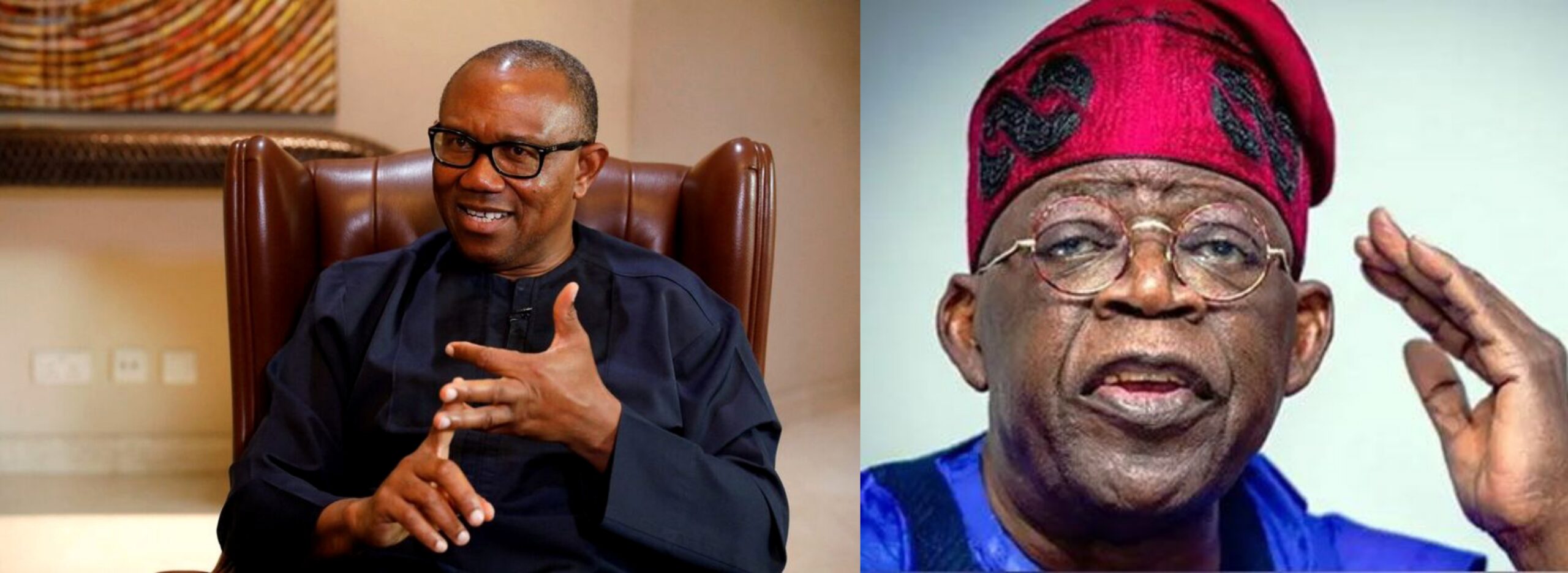
Former presidential candidate Peter Obi criticized the economic value of recent foreign state visits by Nigerian leaders, arguing that international diplomacy must yield measurable benefits for local citizens. Speaking following President Bola Tinubu’s three-nation tour, the former Labour Party standard-bearer asserted that foreign travel should not serve as tourism or a fashion parade for government officials. Obi demanded immediate clarity on what concrete industrial partnerships, trade agreements, and direct jobs these expensive trips have secured for the country. The criticism highlights growing domestic skepticism over the presidency’s frequent travel schedule at a time of severe national economic hardship.
To illustrate his point, Obi compared Nigeria’s diplomatic approach with that of advanced economies. He cited a state visit by Donald Trump to Beijing, noting that the American leader traveled alongside a delegation of prominent corporate executives to secure major industrial wins. That strategic engagement yielded trade deals worth billions of dollars, including large-scale aerospace orders that directly stimulated factory expansion and employment in the United States. The former Anambra State governor argued that advanced nations consistently link executive diplomacy with internal industrial growth rather than symbolic displays.
Turning his focus to the administration’s recent state visit to the United Kingdom, Obi questioned the lack of transparent outcomes. He asked the presidency to name the specific British factories coming to Nigeria, or the exact power, technology, and agricultural agreements signed during the tour. The state must provide clear metrics to prove that these missions justify their high fiscal costs. Millions of Nigerian youths remain unemployed, meaning the government cannot afford to treat international relations as a mere ceremonial exercise.
The opposition leader also targeted the composition of the official entourage that accompanied the president abroad. He observed that the delegation featured an excess of political actors, regional governors, and traditional rulers rather than heads of manufacturing conglomerates and technology firms. This selection of delegates suggests that the state views foreign trips primarily through a political lens rather than an economic one. Obi maintained that until the presidency alters the structure of its diplomatic missions, Nigeria will continue to return from global capitals with empty promises instead of capital investments.
The presidency has defended its record by pointing to billions of dollars in foreign direct investment commitments secured over the past three years. Officials insist that shuttle diplomacy remains vital to restore international investor confidence after years of monetary policy uncertainty. The administration recently announced a major port financing arrangement in London and various energy infrastructure partnerships with Chinese engineering firms. Government spokesmen argue that these complex commercial deals require steady, face-to-face executive engagement before capital actually flows into the local economy.
Ultimately, the dispute reflects a fundamental disagreement over how to measure diplomatic success during a fiscal crisis. For the administration, reviving international relevance across multiple global power blocs is a long-term victory. For the opposition and a struggling public, success is measured only by immediate relief from inflation and currency depreciation. As long as local factories continue to close due to high operational costs, expensive presidential trips will face intense domestic scrutiny.