
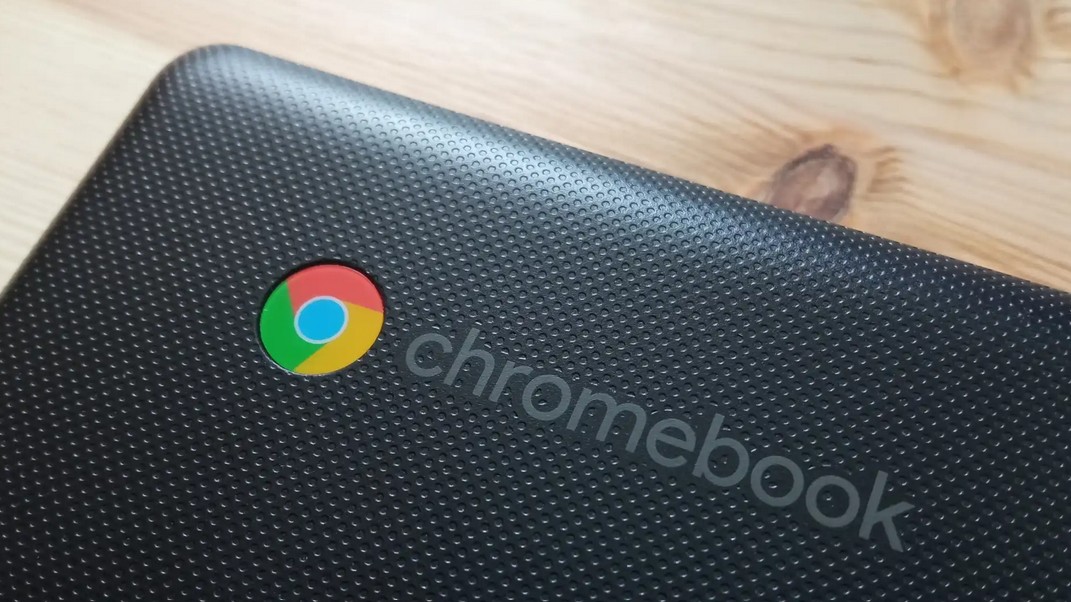
Fifteen years is a long run for any product category. On May 12, 2026, exactly 15 years and one day after the first Chromebook shipped, Google ended that chapter.
At The Android Show: I/O 2026 Edition, the company officially announced Aluminium OS, a new Android-based desktop operating system built to replace ChromeOS on consumer hardware. The Chromebook brand is being retired. Its successor has a new name: the Googlebook.
This is not a rebrand. It is a complete rethinking of what a Google laptop is, what it runs, and what it can do. If you own a Chromebook, plan to buy one, or simply follow what Google builds, here is everything you need to know.
What Is Aluminium OS?
Aluminium OS is the codename for Google’s new desktop operating system. It is built on Android 17 and designed from scratch as a genuine laptop platform, not a stretched phone interface.
The project has been an open secret since July 2025, when Google executive Sameer Samat confirmed to TechRadar that the company was combining ChromeOS and Android into a single platform. What started as a rumor became a formal announcement at Google I/O 2026.
Key fact: Aluminium is a development codename. Google has confirmed it will reveal the final consumer-facing OS name later in 2026.
The existing Linux-based ChromeOS does not disappear entirely. Google confirmed that Aluminium OS replaces ChromeOS only on consumer hardware. Enterprise and education institutions running ChromeOS will continue to receive support. That is an important distinction for schools and businesses currently invested in the Chromebook ecosystem.
So What Exactly Is a Googlebook?
Googlebook is Google’s new laptop category. Think of it as the company’s answer to the MacBook, a premium laptop standard running Aluminium OS from hardware partners including Acer, ASUS, Dell, HP, and Lenovo.
The first Googlebook devices from these OEMs are scheduled to ship in Q3 2026, with a broader rollout planned for fall 2026. Existing Chromebooks with compatible specs, specifically Intel 12th Gen processors or MediaTek Kompanio 520, with at least 8GB RAM and 128GB storage, will also receive Aluminium OS updates starting in 2027.
On the hardware side, Googlebooks will run on both ARM processors, including Qualcomm Snapdragon X-class chips, and x86 processors from Intel and AMD. That ARM support matters. It places Googlebooks directly in competition with Microsoft’s Copilot+ PCs, which have dominated the ARM laptop conversation through 2025.
The Feature That Changes Everything: Magic Pointer
Every operating system launch comes with a list of features. Aluminium OS has a standout one that is genuinely new.
Google calls it Magic Pointer. It reimagines the most basic element of laptop interaction: the cursor.
Shake your mouse cursor on screen, and Gemini, Google’s AI model, reads what you are looking at and offers context-aware suggestions, actions, and prompts. Hover over a chart in a spreadsheet and shake the cursor. Gemini offers to analyse it. Select a block of text and activate Magic Pointer. Gemini offers to rewrite, summarise, or translate it.
In Google’s own words: Intelligence is the new spec.
This is the Gemini AI experience from Google Workspace apps extended to the entire operating system. Every surface, every file, every app becomes an entry point for AI assistance. For users who already rely on Gemini in Docs or Sheets, the shift will feel natural. For everyone else, it represents a significant change in how a laptop works.
How Aluminium OS Compares to ChromeOS
ChromeOS was built around the web browser. Its philosophy was simple: keep everything in the cloud, stay lightweight, and prioritise speed. That philosophy made Chromebooks enormously successful in education and appealing to users who lived inside Google’s suite of web apps.
Aluminium OS keeps that speed and simplicity but expands the capability ceiling considerably.
App support grows significantly
Because Aluminium OS is Android-based, it can run the full library of Android apps natively on a laptop screen. ChromeOS had Android app support through the Play Store, but it was inconsistently implemented. On Aluminium OS, Android apps are a first-class citizen, not an add-on.
The desktop experience is rebuilt
Aluminium OS is not Android stretched over a 14-inch screen. Google has rebuilt the interface for keyboard and mouse use, with a taskbar, window management, and file handling that feel native to a laptop rather than adapted from a phone. The Files app now shows Multi-device ARM64 support in leaked builds, hinting at deep cross-device integration.
Cross-device features challenge Apple’s ecosystem
Google built several features designed to close the gap with the iPhone and Mac combination that Apple users enjoy. Link to iOS, Cast My Apps, and Quick Access all attempt to replicate the kind of seamless handoff and AirDrop functionality that has kept Apple users locked into their ecosystem. Whether these work as well in practice as they do in demos remains to be seen when devices reach consumers.
When Will You Be Able to Buy One?
The timeline is now confirmed:
- May 2026: Official announcement at Google I/O
- Q2 to Q3 2026: Aluminium OS stable 1.0 release and first Googlebook retail devices from HP, Lenovo, Acer, and ASUS
- Fall 2026: Broader device rollout across all price tiers
- 2027 onwards: Compatible Chromebooks receive Aluminium OS updates
Pricing has not been confirmed. Given the OEM lineup and the MacBook-competitor positioning, expect a range that covers both budget and premium tiers, consistent with how Chromebooks were always sold across price points.
Should Chromebook Users Be Worried?
Not really. If your Chromebook meets the hardware minimums, it will receive Aluminium OS. Your machine gets a meaningful upgrade rather than a cliff-edge into obsolescence.
If your Chromebook is older and does not meet the spec requirements, you are in the same position you would have been with any major OS transition. The device keeps working with ChromeOS until its current end-of-support date. Google has not left legacy users without a path.
An Android Authority poll of nearly 7,000 people found 31 percent excited about Googlebooks, 33 percent still in a wait-and-see position, and 20 percent skeptical. That skepticism is fair. Aluminium OS needs real devices in real hands before the full picture emerges. But the direction is clear.
The Bottom Line
The Chromebook era is closing. What replaces it is more capable, more open to Android apps, and more deeply integrated with Google’s AI work than anything ChromeOS ever attempted.
The Googlebook is Google’s most serious laptop statement in over a decade. Aluminium OS is the platform it was always building toward, where Android, AI, and desktop computing finally sit inside the same product.
If you are a Chromebook user, your next laptop just got a lot more interesting.