

US Disburses $187m Aid to Nigeria Amid Scrutiny
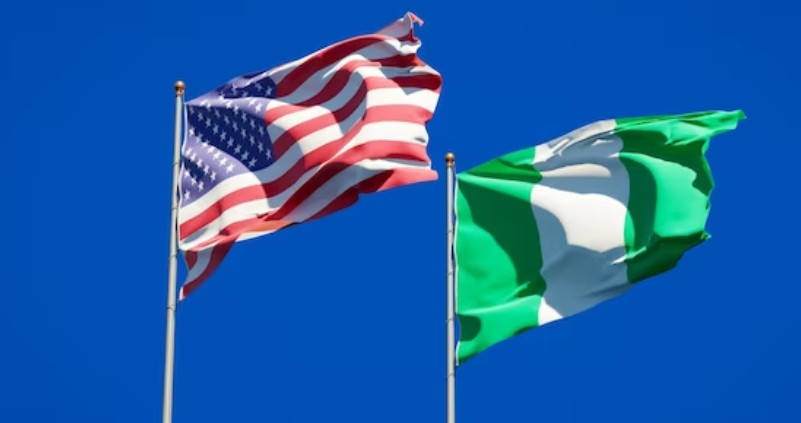
The United States has disbursed $187.3m in foreign assistance to Nigeria as Washington considers applying stricter conditions to future funding. Data published by the US Department of State confirms the cash release, positioning Nigeria as the second-largest aid recipient in sub-Saharan Africa this period, behind Ethiopia. The bulk of the capital flowed directly through the US Agency for International Development. Smaller allocations trickled down through the departments of state, defence, and interior. The monetary release highlights Washington’s deep financial commitment to West Africa despite growing domestic political friction over Abuja’s governance.
The smooth flow of American cash faces an immediate legislative threat from Capitol Hill. The US House Appropriations Committee recently advanced provisions in a draft funding bill that could withhold half of all future aid to Nigeria. Under the strict terms, the US Secretary of State must first certify that the Nigerian government is actively curbing insecurity and protecting vulnerable citizens. Lawmakers want clear, measurable progress in tracking down perpetrators of communal violence before releasing further funds. This legislative pivot signals a major shift toward aggressive oversight from Washington.
American politicians are particularly unsettled by persistent insurgent attacks against rural communities. The proposed financial restrictions aim to compel Abuja to implement sweeping human rights reforms and expand humanitarian access. The new framework would also introduce mandatory cost-sharing requirements, forcing the federal government to match American capital with local public funds. While the bill requires full congressional approval and a presidential signature to become law, it exposes a deep bipartisan frustration with Nigeria’s slow security reforms.
Abuja has responded defensively to the legislative pressure, completely rejecting any allegations of systemic failure or selective protection. The federal government maintains that rural banditry and terrorism affect citizens across all ethnic and religious groups equally. Diplomatic officials insist that local security agencies are making steady progress in stabilising volatile northern territories. Despite the sharp rhetoric, Nigerian officials affirm that strategic counterterrorism cooperation with Washington remains entirely intact. The state depends heavily on American logistics, hardware, and intelligence sharing to contain regional threats.
The timing of this aid dispute creates a major fiscal headache for economic planners in Abuja. The federal government is currently navigating high inflation and a severe shortage of foreign exchange reserves. Any future disruption to development aid would force the state to divert scarce domestic revenues to fund critical health and agricultural programmes. For now, the latest multi-million-dollar disbursement offers a reprieve. However, the shifting political tide in Washington suggests that the era of unconditional foreign assistance is drawing to a rapid close.