
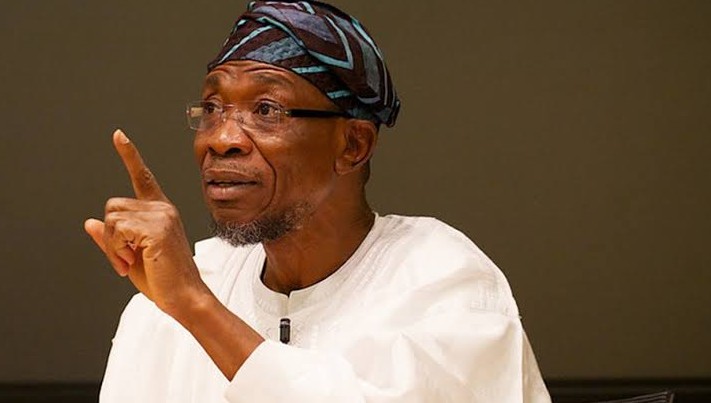
Former Osun State Governor Rauf Aregbesola declared that the African Democratic Congress will not form alliances with rival political parties ahead of the state governorship election. Speaking in his capacity as the party’s national secretary, Aregbesola ruled out joining any third-force coalition or regional electoral pacts. He insisted that the party’s gubernatorial candidate, Najeem Salam, possesses the political machinery required to win the contest independently. The declaration shuts the door on persistent rumors of a united opposition front against incumbent Governor Ademola Adeleke. It sets up a high-stakes three-way battle for control of the state.
Aregbesola’s firm refusal to form electoral alliances puts immense pressure on opposition strategists seeking to consolidate votes against the ruling party. Rivals frequently argue that splitting the opposition vote virtually guarantees an easy victory for the incumbent administration. Yet Aregbesola maintains that past political coalitions in Nigeria often disintegrated into bitter leadership tussles post-election. He believes the party must build an authentic, grassroots organization rather than relying on transactional political deals. His strategy hinges on mobilizing disgruntled voters disappointed by both major political establishments.
The former governor’s deep involvement in the Osun race highlights ongoing realignments within southwestern political structures. After falling out with the leadership of the ruling All Progressives Congress, Aregbesola defected to the African Democratic Congress to build a fresh political platform. His extensive network of loyalists across the state provides his new party with an established grassroots base. However, critics question whether his personal political capital can translate into widespread votes without a broader coalition. His rejection of alliances remains a risky gamble in a fiercely contested state election.
The African Democratic Congress plans to campaign aggressively on administrative competence, public infrastructure, and fiscal discipline across all 30 local government areas. Candidate Najeem Salam, a former speaker of the state assembly, brings significant legislative and executive experience to the party ticket. The campaign team intends to target urban centers and rural agricultural wards with messages centered on economic revitalization and public sector welfare. Yet competing against well-funded major parties without external support will severely test the party’s organizational capacity. The party must prove its independent strength on election day.
Political analysts view the Osun governorship contest as a crucial testing ground for the party’s national viability ahead of upcoming general elections. A strong showing in Osun would establish the party as a formidable third force capable of disrupting traditional political duopolies. Conversely, a poor performance could marginalize the party’s influence during future national coalition talks. Major political parties will monitor voting patterns closely to assess whether Aregbesola’s independent stance fractures key voting blocs. The outcome will reshape Southwestern political dynamics for years to come.
As election day approaches, party officials are deploying campaign teams to fortify voter turnout in core strongholds. Aregbesola has urged supporters to resist intimidation and remain vigilant throughout the voting and collation process. Electoral officers must maintain strict neutrality as political tensions rise across the state. The electorate will ultimately decide whether a solo opposition campaign can succeed against entrenched political machinery. Osun voters now prepare to make a decisive choice at the ballot box.