
Eid-el-Kabir: Tinubu Declares End to Economic Reform Hardships
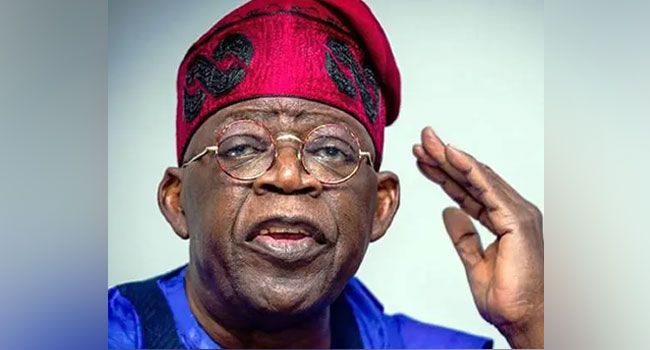
President Bola Tinubu announced yesterday that the difficult period of his administration’s economic reforms has ended. In his Eid-el-Kabir message, the president declared that the nation has completed its walk through a dark tunnel. He claimed that three years of public sacrifice have stabilized the economy. The president now positions the country as a preferred destination for foreign capital. This capital will supposedly drive job creation and sustained economic growth.
In his messgae, Tinubu said, “As a nation, we are on a journey of reconstruction and renewal. The reforms we have undertaken are challenging but necessary to build a stronger and more prosperous Nigeria for future generations. Just as sacrifice brings reward, I am happy that the sacrifices and efforts we have made over the past three years have yielded a more stable economy, making our country a preferred investment destination that will drive job creation and economic growth. The walk through the dark tunnel is over, and the light is here.”
He also explicitly linked the religious essence of the holiday to the economic trials of the population. Official rhetoric treats citizen hardship as a necessary offering for future financial health. State officials maintain that these painful structural adjustments are finally yielding positive rewards. However, parallel market data presents a more sober reality for ordinary citizens. The local currency remains under significant pressure, trading at 1,405 naira to the American dollar.
High prices directly test the patience of the public during this festive period. For instance, livestock markets in Kano report exceptionally low patronage from prospective buyers. A large sacrificial ram now costs over 700,000 naira in northern markets. Sellers blame the soaring prices on the high cost of animal feed and domestic transport. Many families now choose cow-sharing strategies to cope with expensive meat prices.
National security remains another critical challenge despite the executive optimism from Abuja. The president admitted that heartless bandits and terrorists still strike vulnerable rural communities. He insisted that security forces will ultimately defeat these criminal elements across the country. Official statements highlighted recent military successes to reassure an anxious public. A recent joint operation with American forces eliminated a senior Islamic State leader in the Lake Chad Basin.
Legislative leaders echoed the executive call for patience and national unity. Senate President Godswill Akpabio and House Speaker Tajudeen Abbas urged citizens to seek divine intervention. They asked the Muslim faithful to pray for peace, security, and political leadership. Former Abia governor Orji Uzor Kalu also defended the painful policies of the state. He argued that the current pain serves the long-term interest of the entire nation.
The administration vows to sustain investments in critical public sectors. State planners intend to focus on infrastructure, domestic agriculture, and human capital. Observers note that these promises require massive revenue inflows to succeed. The government recently approved a half-price discount on national train services for holiday commuters. This minor concession highlights the immense pressure on the state to ease public transport costs.