
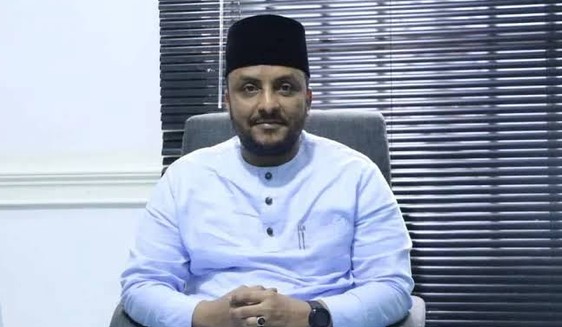
A live broadcast on Channels Television exposed public infrastructure deficiencies on 10 November 2026 when Nigeria’s national 112 emergency line failed to connect. All Progressives Congress campaign official Alwan Hassan boasted on air about the service, comparing it directly to the American 911 system. He urged program presenter Seun Okinbaloye to place a call to demonstrate state efficiency to viewers. The call dead-ended silently on air.
The immediate silence on the line spoke louder than any partisan briefing. Okinbaloye confirmed the dead line while his guest scrambled to explain the failure. Hassan blamed cellular network issues rather than official neglect. A second test by studio crew failed in similar fashion.
The failed demonstration highlights deep gaps between political promises and daily operations. Government officials regularly list basic emergency services among key policy achievements. Yet citizens in actual danger face broken connections and missing dispatchers. Simple administrative tasks remain largely unfulfilled.
Pushed to explain the failure on air, Hassan asked the public for more time. He insisted the administration will deliver on its security promises given enough room. Party figures often ask for patience when state infrastructure crumbles under light scrutiny. Citizens simply want services that function.
The 112 toll-free project has consumed public budgets across multiple political administrations. Designed to route calls directly to police, fire, and ambulance units, the line should operate without failure. Years of contract awards have yielded little working security hardware. Basic operational readiness remains elusive.
Public safety requires working telecom lines rather than campaign hubris. When primary distress channels fail on camera, citizens lose faith in state protection. The administration must fix broken emergency networks before claiming policy victories. Silence on the line costs lives.