


Police Arrest Suspect In Fake Tinubu Voice Controversy
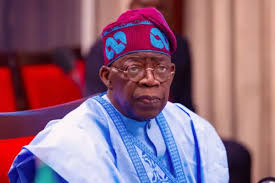
The arrest of a man accused of creating and circulating an artificial intelligence generated voice note falsely attributed to President Bola Tinubu has brought renewed attention to the growing challenge of digital misinformation in Nigeria’s political space.
The Nigeria Police Force has arrested Ifechukwu Dennis, who is alleged to have originated and distributed a manipulated audio recording presented as the President’s voice, according to a statement by the Special Adviser to the President on Information and Strategy, Bayo Onanuga. The presidential aide disclosed on Thursday that the suspect was arrested in Benin and that the police would issue an official statement on the matter.
The arrest follows a controversy that began on May 27 after a viral social media video featured an AI generated voice resembling President Tinubu. The fabricated recording contained several controversial claims, including allegations that insecurity in the South East was deliberate, that Peter Obi had been pressured to withdraw from the 2023 presidential election, and that the President was indifferent to the economic hardship facing Nigerians.
The incident quickly attracted national attention because the manipulated audio was linked online to social media commentator Martins Vincent Otse, widely known as VeryDarkMan. However, subsequent reviews and fact checks by multiple media organisations found that the activist did not create or publish the altered recording. Investigations indicated that footage from his original Instagram video had been downloaded, edited with the AI generated audio, and then redistributed across social media platforms.
Before those findings emerged, the Presidency had publicly called for legal action against VeryDarkMan. Onanuga had described the circulation of the audio as “a clear case of egregious abuse of the social media platform” and argued that those responsible should face the law.
The case highlights a growing global concern over the misuse of artificial intelligence tools to create convincing deepfakes capable of misleading the public. Advances in generative AI have made it easier and cheaper to clone voices, alter videos and produce realistic content that can spread rapidly across digital platforms before verification takes place.
For Nigeria, where social media has become a major source of political information, the controversy underscores the increasing pressure on authorities, technology companies and media organisations to improve digital verification systems while balancing constitutional rights to free expression.
As of Thursday evening, the police had not publicly disclosed the specific charges that may be filed against the suspect, nor whether further arrests are expected as investigations continue.