

SDP’s Adebayo Tackles Senate Over Blocked Defence Audit
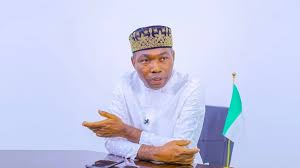
The presidential candidate of the Social Democratic Party, Adewole Adebayo, has criticised the Senate’s refusal to investigate military spending despite escalating insecurity, insisting that accountability in defence expenditure must not be traded away under the cover of protecting troop morale.
Speaking with journalists in Abuja on Monday, Adebayo questioned the value Nigerians have received from years of heavy security budgeting.
“The issue is not just budgeting money for defence. It is whether the money reaches the armed forces and is properly utilised,” he said. “This administration budgeted N5.413tn for defence and security without any positive result.”
His remarks reinforce a debate that erupted on the Senate floor weeks earlier. The June 2026 case was the second time the Senate had rejected a prayer by Senator Adams Oshiomhole to probe the use of funds appropriated to the military to fight insurgency and banditry, the first being in July 2024. During that earlier attempt, Oshiomhole had alleged that some past service chiefs established universities and that the Navy purchased a yacht with security funds.
The figure Adebayo cited tracks official records. President Tinubu proposed N5.41tn for defence and security in the 2026 budget, the highest sectoral allocation and the third consecutive year that security has topped federal spending priorities. The government has justified the sustained rise as necessary to confront terrorism in the North East, banditry in the North West, kidnapping for ransom, and farmer-herder conflicts in the North Central region.
The latest probe collapsed during a Senate debate on worsening insecurity. The session followed a motion by Senator Abdulfatai Buhari drawing attention to the abduction of 49 persons and the killing of teacher Michael Oyedokun in Oyo State. When Oshiomhole sought to include a military spending probe among the Senate’s resolutions, the proposal had no seconder, and an amendment attempt by Senator Sani Musa also failed. Deputy Senate President Barau Jibrin acknowledged the accountability concerns but presided over a chamber that adopted its resolutions without any investigation.
Senate Leader Opeyemi Bamidele later defended the decision, arguing that scrutinising the military during active operations would amount to putting troops on trial at a critical moment, a step he described as counterproductive. He maintained that inquiries into the cost of operations are better conducted after hostilities subside.
The dispute plays out against a painful backdrop. Pupils and teachers seized from schools in the Yawota and Ahoro Esinle communities of Oriire Local Government Area on May 15 have remained in captivity within the Old Oyo National Park axis for nearly a month. Mass school abductions have recurred since the 2014 Chibok kidnapping, which saw 276 schoolgirls taken in Borno State, though the Oyo attack marked a rare southward expansion of the crisis.
Adebayo also faulted the reintegration of repentant terrorists and called for constitutional amendments to secure INEC’s independence, arguing the President’s power to appoint commissioners erodes public confidence.
“INEC cannot be truly independent when politicians appoint those running it,” he said.
He maintained that Nigeria’s challenges remain surmountable “but leadership must be willing to do what is right.”
With victims still held and a third straight record defence allocation under question, pressure for an eventual audit is likely to persist once operations conclude.