

Dangote Refinery Cuts Petrol Price by N75
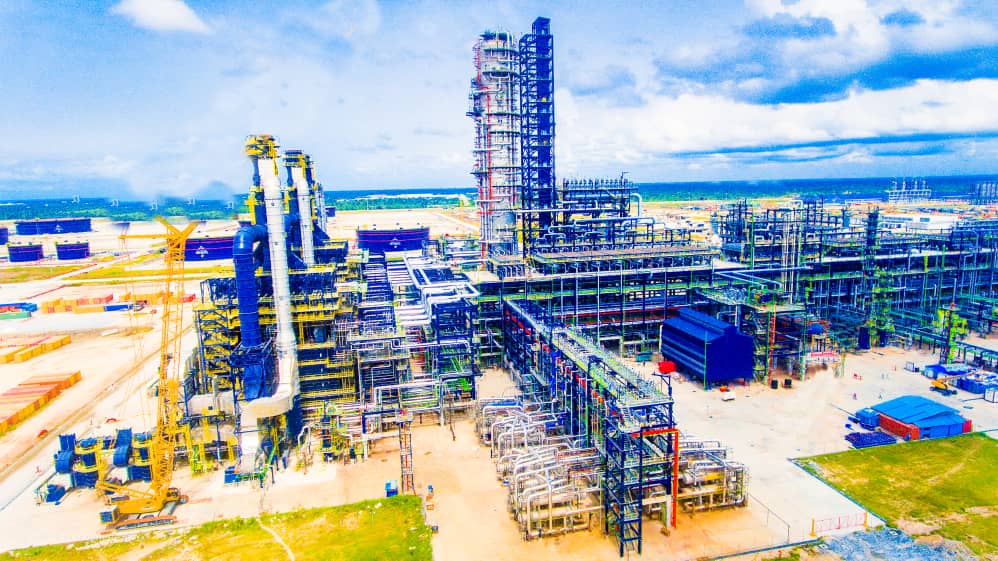
Nigeria’s mega-refinery has delivered a rare piece of deflationary news to the domestic energy market. Dangote Petroleum Refinery has slashed the ex-depot price of petrol by six percent, shaving N75 off the cost of a litre. This commercial adjustment responds directly to a sharp drop in global crude benchmarks over the last 48 hours. For an inflation-weary public, the price cut offers a tangible demonstration of how domestic refining can pass international savings directly to local consumers.
The new pricing template took effect at midnight on June 16. The private facility lowered its wholesale ex-gantry price from N1,250 to N1,175 per litre. Simultaneously, the company reduced its coastal shipping tariff by 6.3 percent to N1.495 million per metric tonne. A corporate directive also confirmed that all outstanding, unloaded gantry volumes would be repriced at the lower rate. This proactive concession prevents major distribution firms from incurring immediate inventory losses.
A dramatic diplomatic breakthrough in the Middle East precipitated the underlying market shift. Global benchmark Brent crude tumbled five percent to settle at $78.87 per barrel, down from Monday’s peak of $82.72. The sudden price collapse followed a comprehensive peace accord between the United States and Iran. The subsequent reopening of the strategic Strait of Hormuz immediately removed the geopolitical risk premium from energy contracts. Consequently, crude buyers flooded the market with cheaper supplies almost overnight.
The Lagos-based refinery explicitly tied its commercial pivot to these shifting international dynamics. Executive management noted that the de-escalation of Gulf tensions successfully cooled global energy markets after three months of intense friction. Because the facility sources a portion of its crude feedstocks at market-linked prices, international savings naturally translate to lower production costs. This direct correlation vindicates arguments that domestic refining could insulate Nigeria from persistent import-driven price shocks.
Independent fuel marketers have welcomed the wholesale price reduction with cautious optimism. Retailers expect that the N75 discount will eventually filter down to consumers at local filling stations. However, the final price at the pump will still depend heavily on local transport and trucking costs. Distribution cartels routinely cite high diesel prices and dilapidated highway infrastructure to delay passing wholesale cuts to consumers. Regulatory agencies must now police the markets to ensure compliance.
The development underscores the evolving structural power of private refining in West Africa. By adjusting prices dynamically in response to global market realities, the facility operates under strict commercial terms rather than state decrees. This market-driven approach provides a stark contrast to the historic, subsidy-laden dysfunction of the state oil firm. True energy security, however, will require the state to fix its broken rail and pipeline networks to move this cheaper fuel efficiently. Cheap refining means very little if the national distribution network remains archaic.