
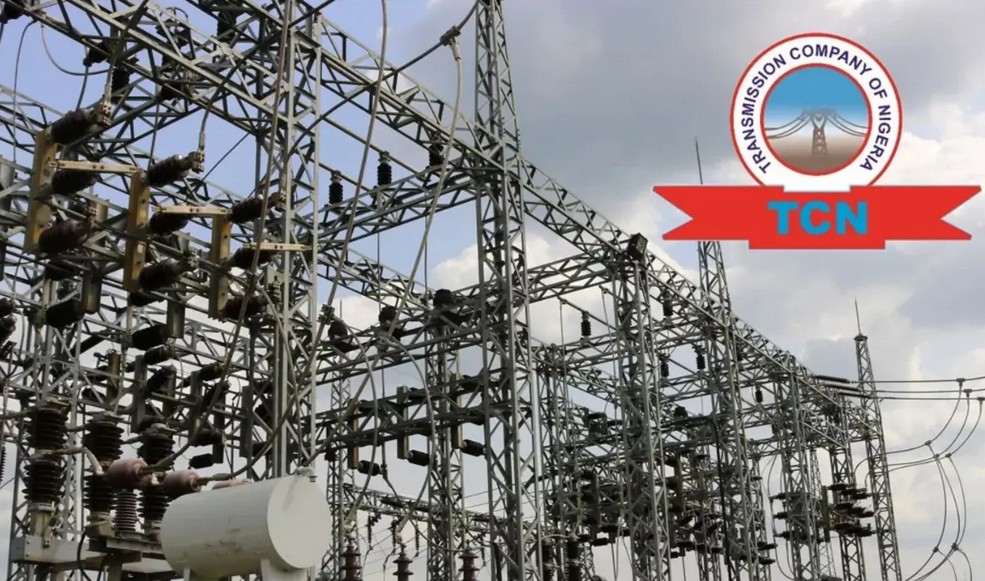
Nigeria’s fragile electricity grid faces a dangerous new security threat in the Middle Belt. The Transmission Company of Nigeria has raised an alarm over a surge in infrastructure vandalism across Niger State. Saboteurs are increasingly targeting critical high-voltage installations that transmit bulk electricity to the federal capital and surrounding states. This aggressive economic sabotage threatens to cripple regional commerce and wipe out recent grid stability gains. State engineers warn that the systematic destruction has reached a deeply worrisome threshold.
The latest assault knocked out 14 spans of electrical conductors on a vital high-voltage line. Engineers estimate that restoring the damaged 132 kilovolt transmission line in Lambata will cost at least N32 million. The state utility firm must now divert scarce capital away from planned network expansion projects to fund emergency repairs. This unexpected expenditure severely strains the cash-strapped agency during a national fiscal squeeze. For consumers, the immediate consequence remains an increase in arbitrary power outages.
The compromised power infrastructure forms part of a critical national energy corridor. The 40-year-old grid assets transmit electricity directly from the Shiroro hydro-station through Minna, Bida, and Suleja straight to Abuja. Damaging this specific grid trunk compromises the economic output of millions of households and commercial businesses. Industrial hubs cannot operate efficiently without a reliable link to bulk generating plants. The utility firm notes that such brazen theft was historically alien to this particular geographic axis.
The destroyed high-voltage lines also create immediate, lethal risks for local populations. Fallen live conductors often retain high residual voltages that can instantly electrocute unsuspecting farmers and grazing livestock. Rural communities risk severe casualties if locals attempt to handle the specialized grid hardware themselves. TCN authorities visited the Gurara Local Government Area on Tuesday to directly warn villagers about these hidden dangers. The state must build robust community intelligence networks to stop thieves before fatal accidents occur.
Management is now begging traditional institutions and village vigilantes to help guard local towers. The vast, isolated nature of transmission routes makes physical policing by conventional state forces nearly impossible. Criminal syndicates take advantage of these unpoliced rural spaces to dismantle heavy metal towers at night. The Nigeria Security and Civil Defence Corps has promised to deploy specialized anti-vandal squads to track local buyers of stolen scrap metal. Arresting the economic actors who buy these stolen aluminum conductors remains vital to breaking the trade.
This infrastructure crisis highlights the deep structural vulnerability of Nigeria’s highly centralized power grid. Relying on thousands of kilometres of exposed overhead cables leaves the economy entirely at the mercy of localized criminal activity. Repeated grid collapses will remain a permanent feature of domestic life until physical security improves. Spending millions on fixing broken towers cannot substitute for automated line monitoring technologies. The utility must modernize its surveillance strategies to safeguard the nation’s energy future.