
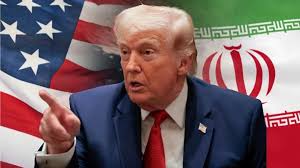
The United States has released the full text of a 14-point memorandum of understanding with Iran aimed at ending hostilities, reopening the Strait of Hormuz and establishing a framework for sanctions relief tied to compliance on nuclear issues. The document, known as the Islamabad Memorandum of Understanding, was made public after calls for transparency following initial reports of the accord.
A senior US administration official said the memorandum serves as a mechanism to address Iran’s enriched uranium stockpile, create pathways for economic relief and set conditions for a final agreement. The MOU is expected to be formally signed soon, triggering a 60-day period for negotiations on the full deal, with possible extension by mutual consent.
Key provisions include immediate termination of military operations on all fronts, including Lebanon, and commitments by both sides to respect sovereignty and refrain from interference in internal affairs. The United States undertakes to lift its naval blockade within 30 days and remove forces from the proximity of Iran within 30 days after the final deal. Iran commits to arrangements for safe, toll-free passage of commercial vessels through the Strait of Hormuz for 60 days, with full restoration of traffic within 30 days after technical and military obstacles are addressed.
The memorandum also outlines a plan for at least $300 billion in reconstruction and economic development for Iran, to be finalised within the 60-day period. The United States commits to terminating all sanctions, including UN Security Council and unilateral measures, on an agreed schedule. Iran reaffirms it shall not develop nuclear weapons, with the stockpile of enriched material to be resolved through downblending under IAEA supervision. Pending the final deal, both sides agree to maintain the status quo on nuclear activities and sanctions.
This development follows a period of heightened tensions and direct conflict between the United States, Israel and Iran that began earlier in 2026, disrupting global energy supplies through the closure of the Strait of Hormuz. The strait handles approximately 20 per cent of global oil trade. IAEA reports from mid-2025 indicated Iran’s enriched uranium stockpile had reached about 9,875 kg, including 440.9 kg enriched up to 60 per cent, raising proliferation concerns before military actions targeted related facilities.
Oil prices have already responded to the MOU announcement, falling more than $2 per barrel in recent trading as markets anticipated increased supply. The agreement aligns with previous diplomatic efforts, including the 2015 Joint Comprehensive Plan of Action, from which the United States withdrew in 2018, leading to renewed sanctions and tensions.
The MOU introduces an executive monitoring mechanism and requires the final deal to be endorsed by a binding UN Security Council resolution. Analysts expect intense negotiations over the next 60 days on sanctions timelines, nuclear parameters and reconstruction funding. Implementation will depend on verifiable compliance, with potential challenges from regional actors and domestic politics in both countries.
The agreement is viewed as a step toward stabilising energy markets and reducing immediate conflict risks, though its long-term success hinges on reaching and upholding the final deal.