
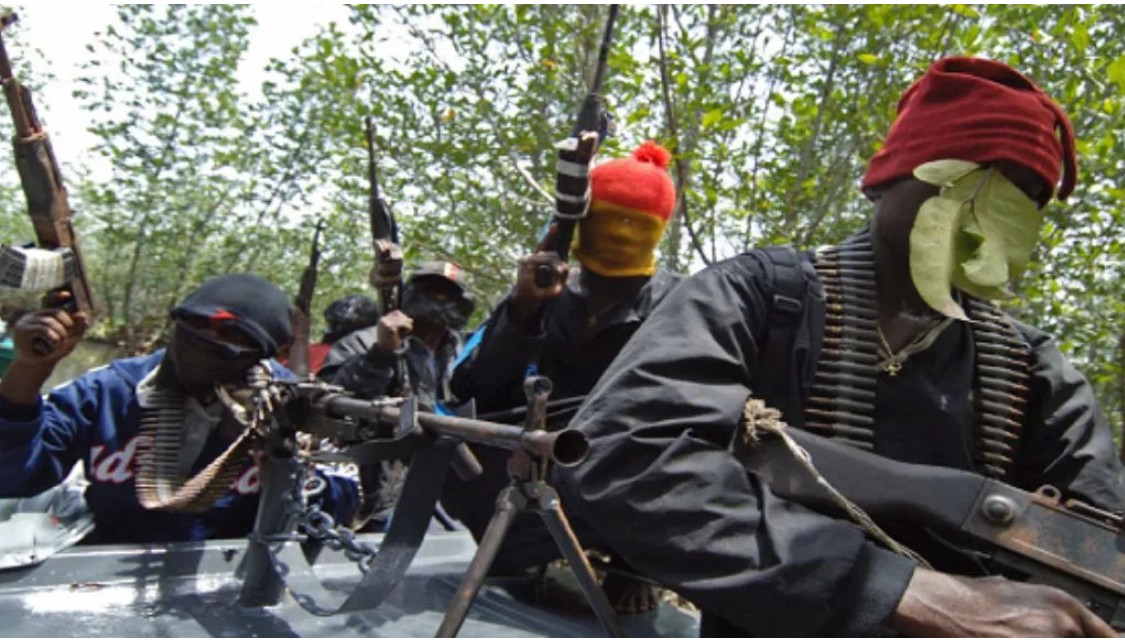
Islamist insurgents have launched a coordinated assault against state infrastructure in Borno State, exposing the persistent fragility of Nigeria’s northeastern security borders. Heavily armed Boko Haram fighters swarmed a frontline military installation before setting a nearby police divisional headquarters on fire. The raid directly challenges federal declarations that the decade-long insurgency has entered its terminal phase. Abuja’s containment strategy continues to suffer from costly defensive vulnerabilities in rural theatres.
The attackers arrived in a heavily armed convoy equipped with gun trucks and assault motorcycles. Insurgents systematically breached the perimeter of the military base after engaging troops in an intensive firefight that lasted for several hours. As defensive lines fractured, a splinter unit detached to raze the adjacent police facility, destroying institutional vehicles and administrative records. Local auxiliary forces eventually assisted regular troops in pushing the attackers back into the surrounding hinterlands.
The assault inflicted severe logistical damage and triggered immediate fears regarding leaked state weaponry. Fleeing insurgents successfully looted ammunition reserves and drove away several high-mobility military vehicles. While the Defence Headquarters has yet to publish official casualty figures, field sources confirm multiple fatalities among security personnel. This pattern of tactical raiding allows depleted insurgent cells to replenish their arsenals directly from state stockpiles.
The escalation disrupts a brief period of relative stability along the economic corridors of the Lake Chad basin. Displaced populations had recently begun returning to these liberated zones under state-sponsored resettlement programmes. This latest breach indicates that jihadist factions retain the operational capacity to plan and execute complex, multi-tiered operations against fortified positions. Local agricultural activities will likely freeze again as communities brace for predictable reprisal raids.
Abuja remains locked in a costly war of attrition. Despite launching continuous air interdictions and special forces operations, the military cannot permanently hold every remote outpost without exhausting its personnel. The porous border with neighbouring Chad and Niger allows insurgents to slip across international lines to evade hot pursuit. The presidency must now decide whether to consolidate its forces into heavily defended super-camps or deploy more mobile, reactive border units.
Sustaining long-term stability requires an immediate rethink of local intelligence sharing. The fact that an insurgent convoy could approach a military base undetected points to a major breakdown in rural surveillance networks. Without real-time local intelligence, sophisticated hardware remains useless against agile guerrilla fighters. The federal government must rapidly fix these systemic operational blind spots before the dry season triggers a wider insurgent offensive.