
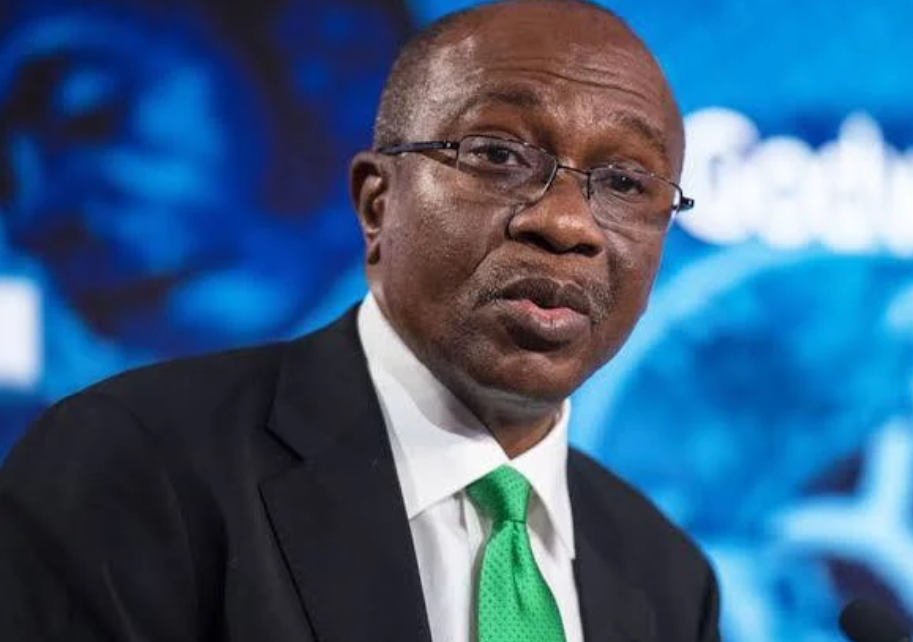
A Lagos State Special Offences Court has admitted the extrajudicial statements of Godwin Emefiele as valid exhibits in his ongoing corruption trial. Justice Rahman Oshodi rejected defence arguments that anti-graft investigators extracted the documents under physical duress or procedural irregularities. The former Governor of the Central Bank of Nigeria faces a 26-count charge detailing an alleged 4.5 billion-dollar fraud and massive abuse of office. Abuja is steadily locking down the evidentiary foundations of its headline prosecution against the former apex bank chief.
The judicial breakthrough follows a specialized mini-trial designed to test the legality of the state’s evidence. Emefiele’s legal team fought aggressively to suppress the statements, claiming the Economic and Financial Crimes Commission violated statutory interrogation rules. The defence insisted that investigators coerced the former governor during his prolonged period in federal custody. Justice Oshodi ruled that the prosecution proved beyond reasonable doubt that the statements were volunteered freely. The ruling clears a major bottleneck that threatened to stall the main trial indefinitely.
The state’s case paints a picture of systemic institutional decay at the highest levels of monetary policy. Prosecutors allege that Emefiele routinely bypassed federal procurement laws to award lucrative contracts to favored insiders. The charges also include accepting millions of dollars in physical foreign currency as illegal gratification. A prominent former director at the central bank has already testified to delivering 600,000 dollars in cash directly to the former governor. This cash-and-carry model of central banking directly hollowed out national reserves.
Co-defendant Henry Omoile also failed to block his own statements from entering the judicial record. The court rejected similar claims of administrative coercion brought by Omoile’s legal team. Prosecutors argue that Omoile acted as a critical conduit for moving illicit foreign exchange out of official sight. With both sets of statements formally admitted, the state can now cross-reference internal central bank memos with the defendants’ own admissions. The prosecution intends to prove that the duo ran a parallel treasury network.
The scale of the alleged fraud represents a catastrophic failure of institutional oversight. The 4.5 billion-dollar figure, paired with an additional 2.8 billion naira charge, represents a substantial fraction of the country’s annual capital budget. While Emefiele maintains his innocence on all counts, the sheer volume of admitted documentation weakens his operational defence. The trial has become a litmus test for the presidency’s willingness to hold former economic managers accountable. Past anti-graft campaigns frequently collapsed due to poorly managed evidence.
Justice Oshodi has adjourned the proceedings to allow the state to call its remaining witnesses. The defense must now prepare to counter the specific timelines and transactions contained within Emefiele’s newly admitted statements. If convicted, the former governor faces a significant prison sentence alongside the permanent forfeiture of frozen assets. The trial will continue to expose the highly compromised internal procedures that governed the central bank for nearly a decade.