

Saudi Arabia, Turkey, Pakistan Sign Defence Pact
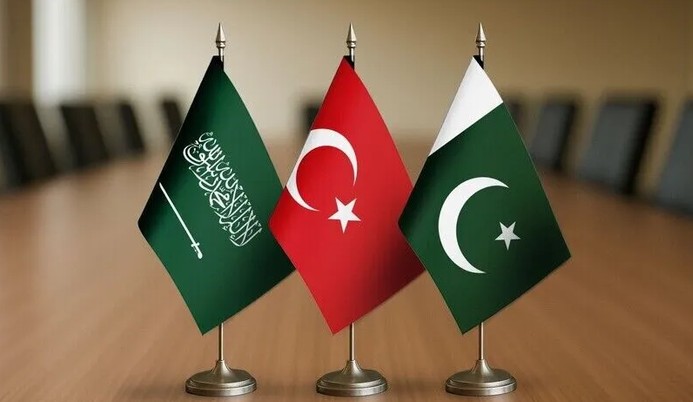
Saudi Arabia, Turkey, and Pakistan signed a sweeping joint defence agreement in Jeddah on Friday as regional conflict threatens the Middle East. Turkish President Recep Tayyip Erdogan and Pakistani Prime Minister Shehbaz Sharif met Saudi Crown Prince Mohammed bin Salman to seal the trilateral alliance. Rising military strikes across the Gulf forced these powers to hasten their formal alliance. Regional powers prefer action over endless talk. The pact brings together three heavyweights with distinct strategic assets. Middle Eastern volatility pushed long-running talks to a swift conclusion.
Each signatory brings a distinct advantage to this new tripartite pact. Turkey brings NATO membership and a formidable defence manufacturing sector. Saudi Arabia supplies deep financial reserves and unmatched political leverage within the Islamic world. Pakistan offers a massive standing army and nuclear capability. Western security guarantees no longer assure peace. Combined military firepower alters regional strategic calculations overnight.
Recent missile strikes and attacks in the Gulf accelerated these talks. Iranian retaliation against American and Israeli strikes directly threatened energy infrastructure across Gulf states. Shippers facing attacks in the Strait of Hormuz raised global energy costs rapidly. Weakened regional stability demands stronger local defence responses. Regional leaders refuse to rely entirely on Washington for survival. Gulf rulers seek reliable shields against incoming regional missiles.
Negotiators spent nearly a year crafting the terms behind closed doors. The deal expands on an existing bilateral defence arrangement between Islamabad and Riyadh. Turkish involvement expands this bilateral alliance into a broad Sunni defence bloc. Other regional partners like Qatar may join the pact later. Strategic defence planners framed the pact as a non-aggressive regional shield. Local defence pacts lower reliance on foreign powers.
Western capitals view this emerging Sunni bloc with quiet unease. Turkey tests NATO cohesion by linking its security directly with non-NATO allies. India watches the pact closely due to Pakistan’s expanded influence. Strategic planners in New Delhi fear new military imbalances in Asia. Security architects must redraw their operational maps immediately. Eurasian power balances shift faster than diplomats expected.
Emerging security pacts mark a permanent shift in Middle Eastern geopolitics. Gulf monarchies now invest heavily in regional military self-reliance. Western hegemony in the Middle East continues to erode. Defence procurement will pivot rapidly toward Turkish hardware and Pakistani manpower. Local crises demand permanent local security structures now. Muslim powers build their own security architecture today.