


Security Forces Rescue 34 Kidnap Victims in Zamfara, Edo Operations
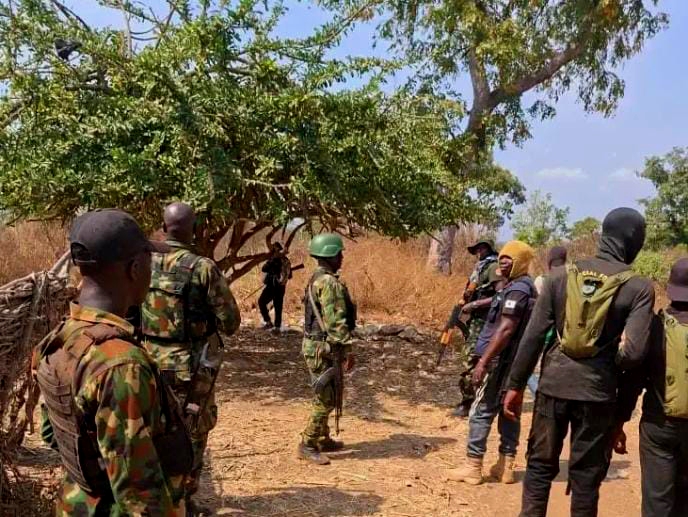
Joint security teams rescued thirty-four kidnap victims during parallel armed operations in Zamfara and Edo states. Troops neutralised one kidnapper and recovered ₦1.5 million in cash during the south-western sting. Thirty-three travellers regained freedom in northern Zamfara after soldiers intercepted their captors along a major highway. Security forces exploited live ransom talks to trap the Edo gang in dense forest. Tactical coordination between army units and local police delivered these tactical victories. Swift tactical responses save lives on dangerous transit routes.
Army units from Operation Fansan Yamma acted on direct intelligence near Tsafe in Zamfara. Bandits intercepted a convoy of commercial passengers traveling near Magazu village on Saturday afternoon. Armed troops engaged the criminal gang before fighters could march hostages deep into bushland. Heavy gunfire forced the attackers to drop their captives and flee without firing back. Soldiers secured all thirty-three travellers without recorded military or civilian casualties. Timely civilian intelligence remains vital for quick military intervention.
A parallel joint ambush in Edo State targeted an active kidnapping network operating near Ubiaja. Personnel from the Fourth Brigade teamed with local police officers to track a fifty-year-old victim. Security operatives used ongoing ransom negotiations to lure abductors into a precise location at Onogholo. Tactical teams killed one gunman during the exchange and seized the intended ransom cash. The remaining gang members scattered into surrounding woods after losing their leader. Crime pays poorly when security forces set smart traps.
Highway abductions remain a steady revenue model for criminal networks across regional transit corridors. Armed gangs exploit isolated road stretches to seize travellers and demand extortionate cash payouts. Federal security agencies face constant pressure to protect major highways without stretching personnel thin. Deploying mobile strike units allows military commanders to respond quickly to sudden highway raids. Tactical agility compensates for vast geographic coverage gaps. Gunmen thrive only when security responses arrive late.
Sustained intelligence sharing between police units and army detachments yields clear operational results. Combined tactical commands remove bureaucratic delays that previously hobbled rapid response efforts in remote areas. Local communities build confidence in state authority when troops respond swiftly to emergency calls. Yet tactical rescues address immediate symptoms rather than underlying causes of rural lawlessness. Disarming criminal groups requires relentless pursuit and firm economic disruption. Military pressure must eliminate criminal safe havens permanently.
The dual rescues show tactical progress in protecting vulnerable transportation routes across Nigeria. Security forces proved that well-planned stings effectively disrupt criminal profit incentives. Recovering ransom money hits gang logistics directly while preserving innocent human lives. State agencies must maintain pressure on fleeing gang members to prevent regrouping in nearby forests. Public safety depends on constant vigilance along critical economic arteries. Law enforcement works best when field units act decisively.