
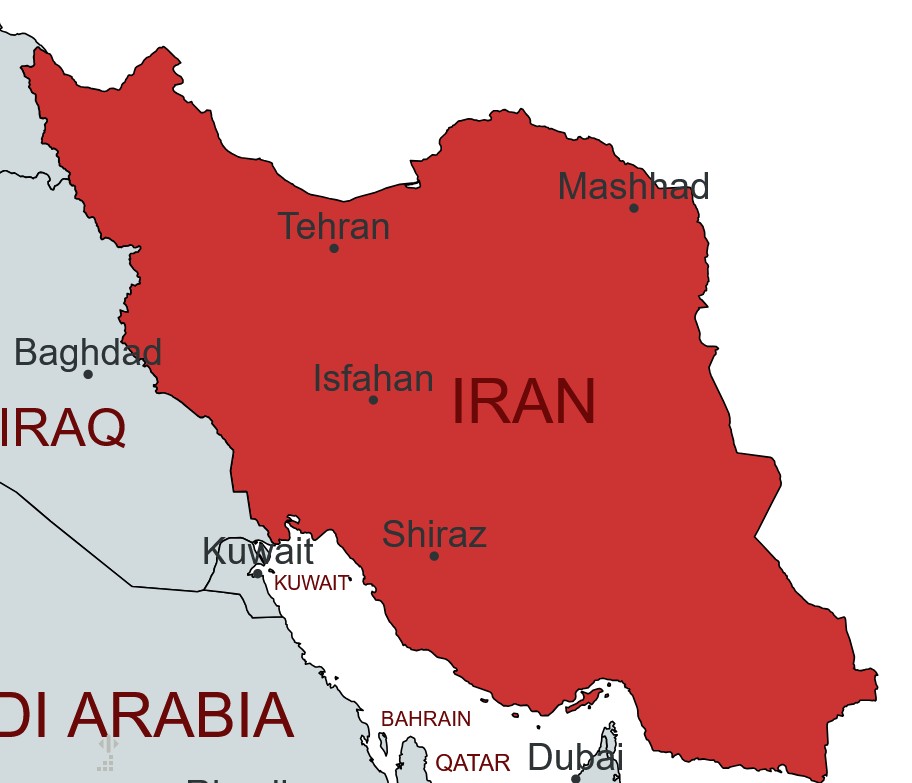
Iran’s Revolutionary Guards declared on Sunday that they will not reopen the Strait of Hormuz until Washington meets all of Tehran’s demands. Guards spokesman Hossein Mohebi described the vital maritime chokepoint as an active theatre of war rather than a simple shipping route. The announcement directly contradicts optimistic signals from White House officials regarding imminent diplomatic progress. Tehran wants financial compensation for wartime destruction alongside a permanent end to American sanctions. Iran holds the global oil chokehold firmly in its grip. Global energy markets face severe renewed uncertainty as military threats escalate across the Persian Gulf.
Diplomatic talks mediated by Oman appear increasingly disconnected from realities on the water. Iranian Foreign Minister Abbas Araghchi confirmed that transit discussions with Omani officials are reaching final stages. However, top military commanders in Tehran insist that regional transit arrangements cannot override strategic wartime goals. Security Chief Mohammad Bagher Zolghadr demanded an immediate end to American naval operations against Iranian regional allies. Tehran also wants a complete withdrawal of the American counterblockade around its main domestic ports. Military brass in Tehran retain ultimate veto power over maritime policy.
The effective blockade began after joint American and Israeli strikes hit Iranian targets in late February. Iranian forces responded by launching drone attacks, laying sea mines, and enforcing heavy toll regimes on commercial shipping. Subsequent attacks on commercial vessels triggered the total breakdown of a fragile April ceasefire agreement. An Abu Dhabi state oil vessel suffered missile strikes near the strait just hours before the latest Iranian announcement. Over a dozen commercial ships have faced direct strikes since hostilities started five months ago. Seafarers now face extreme peril inside the strategic maritime corridor.
Disruptions in the narrow waterway threaten energy stability across major importing nations in Asia and Europe. Roughly one-quarter of global seaborne crude oil usually moves through the narrow passage daily. Tanker traffic dropped sharply following the initial exchanges of fire earlier this year. Insurance costs for maritime operators have soared to unsustainable levels, stranding thousands of mariners in nearby ports. Importers now scramble for alternative supply lines that simply do not exist. Energy costs continue rising steadily across major industrial economies worldwide.
Washington maintains that its own naval presence will protect international navigation while pressuring Iran into compliance. US President Donald Trump recently expressed confidence that the conflict would end soon due to Iranian economic exhaustion. American officials insist that any lifting of port blockades must remain tied strictly to verifiable Iranian compliance on the water. Yet Tehran’s military leadership shows little interest in backing down under external pressure. American strategy relies on leverage that Iranian commanders refuse to acknowledge. Pressure tactics have failed to force a concession from the Guards.
The ongoing standoff leaves global trade exposed to prolonged disruption and unpredictable military flare-ups. Oman may arrange technical protocols for shipping, but Tehran commands the coastlines and the missiles. Neither side seems prepared to compromise on core security demands without total strategic victory. High-stakes brinkmanship now dictates terms along the world’s most critical oil artery. Prolonged closure risks dragging neighboring Gulf states deeper into an expanding regional war. Global consumers will ultimately pay the price for this military deadlock.