
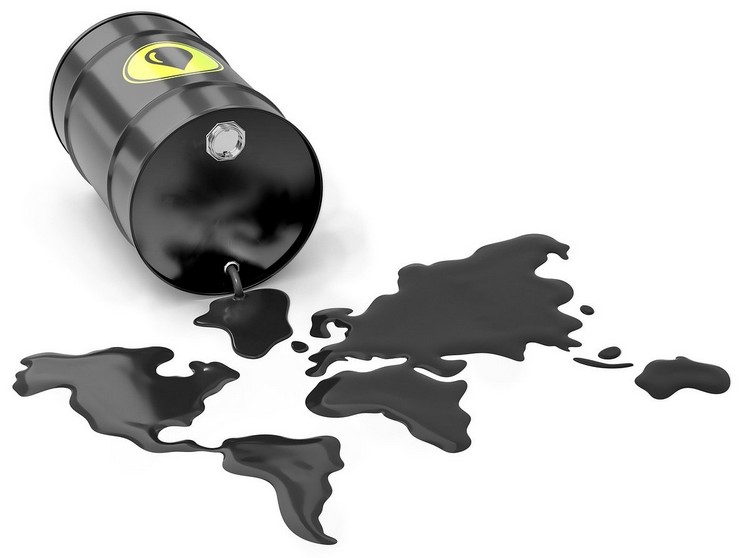
Global oil prices fell sharply on Monday as a pause in American air strikes offered rare respite to nervous energy markets. Brent crude slid more than 5% to $92 a barrel after two weeks of intense military action. Washington halted its bombardment of Iranian sites over the weekend to give diplomacy a chance. Tehran responded by freezing its retaliatory attacks on Gulf shipping lanes. The temporary calm restored early hopes for safe passage through the vital Strait of Hormuz.
Traders quickly dumped crude contracts after fear premiums evaporated overnight. Prices had surged past $100 last week as fighting spread across key shipping routes. Houthi rebels in Yemen had broadened the war by targeting Saudi vessels in the Red Sea. The sudden threat to global maritime commerce rattled central bankers and corporate boardrooms alike. Market forces eventually forced both sides back to the negotiating table. High energy costs always impose discipline on combative politicians.
Diplomatic channels in Muscat now handle the delicate task of securing the waterway. Omani officials are brokering talks on practical management rules for international shipping. Iranian representatives claim both sides have agreed on basic operational standards. Oman seeks to balance sovereign maritime rights with uninterrupted commercial transit. Chinese diplomats are also pushing Pakistan to help revive direct peace talks between Washington and Tehran.
Relief in energy markets immediately boosted major stock indices across Asia and Europe. Cheaper crude eases urgent fears about runaway inflation and sudden interest rate hikes. Central bankers can breathe a momentary sigh of relief before their upcoming policy meetings. The Federal Reserve meets this week under far less immediate market pressure. Yet investors remain cautious about broader economic stability. Geopolitical risk can return with a single stray missile.
The fragile truce faces immediate tests from hardliners on both sides of the Gulf. Thirteen days of strikes severely damaged military infrastructure across Iran. Washington insists its bombers remain ready to strike if talks break down. Tehran still demands a complete end to Western sanctions before signing any permanent deal. Trust remains scarce after months of broken promises and sudden escalations.
Nigerian policymakers will feel the immediate impact of falling crude revenues in Abuja. Lower global oil prices squeeze the nation’s fragile foreign exchange reserves. State revenues depend heavily on petrodollars to fund basic public spending. High prices offered temporary relief to national budget deficits earlier this month. Lower prices now threaten to widen national debt burdens once again. Geopolitical relief abroad brings fiscal headache at home.