
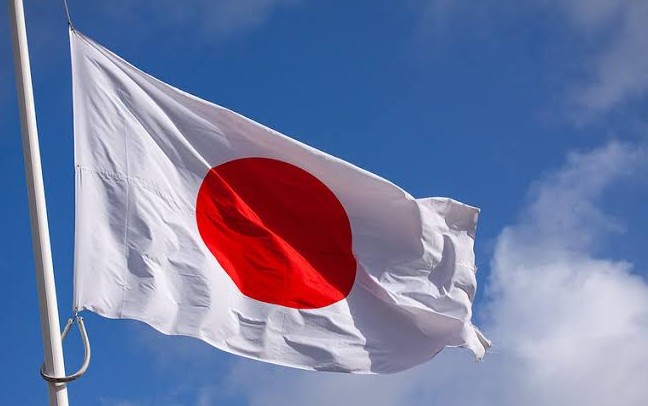
Japan has committed 20 billion naira to expand and rebuild parts of Nigeria’s national electricity grid in Lagos. The Japan International Cooperation Agency will direct the 2.35 billion yen grant toward the Apapa transmission substation. The commercial capital continues to suffer from chronic blackouts caused by decaying switchgear and soaring consumer demand. The fresh funding covers heavy construction works, new hardware, and on-site technical training for grid operators. Foreign development aid continues to patch structural gaps across the country’s public utilities. Fragile transmission networks cannot support real industrial growth without steady capital injections.
The Apapa substation occupies a crucial position within the national transmission network. It sits right next to the nation’s busiest seaport and several major manufacturing enclaves. Upgrading this single node removes severe bottlenecks that prevent bulk electricity from reaching factories and homes across the metropolis. Power stations often generate megawatts that never reach final consumers because weak transmission lines collapse under heavy loads. Fixing the Apapa switchyard gives operators much greater grid stability and transmission capacity. Functional substations keep commercial ports running.
Tokyo is also pursuing a separate concessional loan to reinforce power transmission lines across Lagos and Ogun states. These two neighbouring states form the industrial engine of West Africa, consuming the lion’s share of commercial power generated in the country. Japanese technical advisers will work alongside officials in the Federal Ministry of Power to guide long-term policy reforms. Japanese conglomerates remain keen to invest in local consumer markets if the state can guarantee reliable basic power. Reliable electricity remains the main hurdle for foreign direct investment. Expensive diesel generators eat up corporate profits.
Nigeria’s power sector has swallowed billions of dollars in state bailouts and international loans over the past two decades. Yet the state-owned transmission utility remains the weakest link in the entire energy value chain. Generation companies run below capacity while distribution firms struggle to collect revenues from unmetered customers. Concessional loans and bilateral grants offer welcome temporary relief for specific regional substations. They cannot replace the market discipline needed to overhaul the national grid entirely. Foreign aid only buys time for slow local reformers.
The partnership shows that bilateral partners prefer targeted, ring-fenced infrastructure projects over general budget support. Managing procurement directly through international agencies protects project capital from local bureaucratic waste. Nigerian authorities must maintain these upgraded facilities once foreign development teams hand them over to domestic managers. Poor routine maintenance has wrecked hundreds of publicly funded electrical assets across the federation. Sustainable power requires competent local engineering and honest revenue collection. Machines fail quickly without proper maintenance.
Abuja must accelerate structural reforms to attract private capital into power transmission and distribution. The federal government cannot run a twenty-first-century industrial economy on donor grants and emergency loan packages. Modernising the entire national grid will require tens of billions of dollars in private equity and commercial debt. State managers must create transparent market rules that allow energy investors to recover their capital safely. Donor generosity will soon run dry if local power markets remain broken. Sustainable light requires sound commercial logic.