
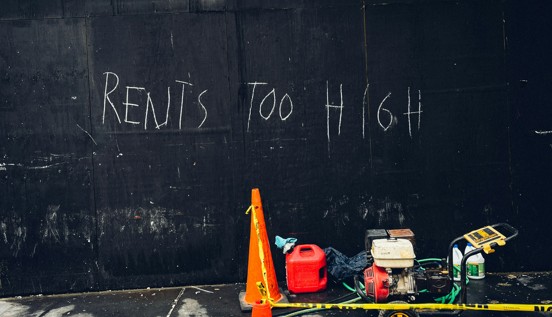
Urban rents across Nigeria rose by 33.8 per cent year-on-year, heaping fresh misery on salaried workers, according to the latest Nairametrics Housing Report. The surge in housing costs far outpaces nominal wage growth across major commercial centres like Lagos and Abuja. Landlords are passing on the soaring costs of cement, steel, and private diesel power directly to tenants. Many households now spend more than half of their monthly income on shelter alone. Skyrocketing accommodation costs erase any recent gains from cooling headline food inflation numbers. Basic shelter has become a luxury.
Property developers face crushing building material prices that stifle the delivery of new affordable housing units. A single bag of cement still sells at steep prices despite regulatory warnings against manufacturer cartels. Developers factor expensive debt and volatile foreign exchange rates into their final tenant charges. Private builders refuse to begin projects without demanding massive advance rents from incoming occupants. This practice locks out low-income earners who cannot produce two years of upfront rent. Upfront payments drain working capital from families.
Middle-class tenants are deserting prime urban centres in search of cheaper accommodation along outer fringes. In Lagos, families are abandoning traditional districts like Ikoyi, Victoria Island, and Lekki for distant mainland suburbs. This sudden influx of relocating renters simply drives up prices in previously affordable neighbourhoods. Commuters then face punishing daily transport bills that wipe out any savings made on rent. Moving house no longer solves the underlying arithmetic of household poverty. Relocation merely shifts the financial pain around.
State efforts to regulate tenancy agreements and outlaw multi-year advance rents have failed across the federation. Lagos State officials repeatedly announced monthly rent schemes with little practical enforcement on private landlords. Property owners simply ignore government guidelines because formal dispute courts take years to settle evictions. The legal system protects established property owners while leaving ordinary tenants without genuine administrative recourse. When regulation lacks teeth, landlords set their own harsh market rules. Paper policies do not stop real rent hikes.
The severe shortage of public housing projects leaves private speculators in complete control of urban residential space. Federal initiatives like the Renewed Hope housing scheme deliver only a tiny fraction of the annual national housing deficit. State governments routinely prioritise lucrative land allocations to luxury estate developers over social housing blocks. Commercial banks refuse to issue long-term mortgages, forcing developers to build exclusively for wealthy cash buyers. A market built on cash excludes the vast majority of working citizens. Public housing remains an unfulfilled political pledge.
Soaring residential rents threaten to drag down consumer spending across the wider domestic economy. When shelter absorbs the bulk of take-home pay, retail sales and small commercial enterprises suffer immediate losses. Workers cut back on nutritious food, private healthcare, and school fees to keep a roof over their heads. Employers face intense pressure to raise salaries while managing their own rising commercial overheads. The housing crunch is quietly choking domestic economic growth across urban Nigeria. High rents extract a heavy economic toll.