
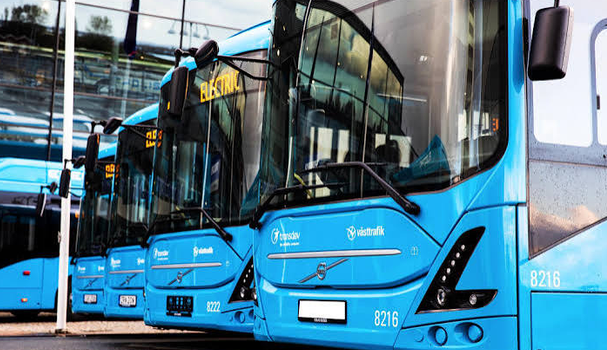
The Federal Government unveiled 37 electric mass transit buses at Eagle Square in Abuja on Wednesday, 26 August 2026, launching the first tranche of a planned 100-vehicle fleet for federal workers. The Head of the Civil Service of the Federation, Didi Esther Walson-Jack, led the rollout alongside the Minister of State for Industry, Trade and Investment, John Owan Enoh. State authorities funded the procurement through the Renewed Hope Infrastructure Development Fund to cushion the blow of high transport costs in the federal capital. The buses carry formal technical clearance from the National Automotive Design and Development Council. They will ply designated routes connecting satellite towns like Nyanya, Kubwa, and Lugbe to the Federal Secretariat complex. The initiative seeks to cut the heavy daily commuting costs that swallow public workers’ salaries. Expensive daily transit drains worker morale and fuels chronic workplace absenteeism. Official welfare schemes rarely outpace the punishing speed of domestic inflation.
The scheme attempts to solve a structural transport deficit created by the abrupt removal of petrol subsidies three years ago. Commercial minibus operators doubled fares on major commuter routes into central Abuja when pump prices soared. Lower-cadre civil servants now spend nearly half their monthly wages just to reach their office desks. Many workers respond by cutting their weekly workdays down to two or three days. Empty desks in federal ministries expose the hidden cost of unaffordable urban transit. Walson-Jack noted that daily travel realities directly shape employee punctuality and total administrative output. Government offices function poorly when staff spend four hours chasing scarce minibuses. State workers cannot deliver quality service on empty pockets and exhausted limbs.
Rolling out battery-powered buses forces the state to confront Nigeria’s erratic electricity supply. Charging dozens of high-capacity vehicle battery packs requires megawatts of uninterrupted electrical power that Abuja’s distribution grid rarely supplies. Fleet operators must install dedicated solar-powered charging yards to avoid grounding the vehicles during routine city blackouts. Heavy reliance on backup diesel generators to recharge green buses would defeat the environmental purpose of the fleet. Battery maintenance also demands skilled electrical engineers and specialised diagnostic tools that remain scarce in the local market. Tropical heat and dusty roads degrade expensive lithium-ion battery cells faster than temperate operating conditions. High-tech fleets quickly turn into dead scrap without proper technical upkeep. Modern technology demands disciplined local maintenance rather than wishful political thinking.
The automotive council approved these specific models to encourage domestic vehicle assembly and component manufacturing. John Owan Enoh argued that public transit orders should stimulate the domestic car industry and create local industrial jobs. Nigeria continues to import almost all its commercial vehicles and replacement parts from Asian manufacturers. Local assembly plants operate at a fraction of their capacity due to erratic power and high import duties on knock-down kits. Sourcing bus bodies, seats, and electrical harnesses from domestic workshops would anchor real industrial capacity inside the country. Without mandatory domestic content quotas, state procurement funds simply finance factory payrolls in China and India. Public spending should build local factories instead of funding foreign manufacturing plants. The industrial ministry must hold fleet contractors to strict local assembly commitments.
Federal authorities frame the electric bus rollout as proof of broader welfare reforms for state employees. The administration points to the new national minimum wage and wage awards as evidence of its support for labour. Yet headline inflation and food price increases continue to swallow these nominal salary adjustments. Civil service trade unions continue to demand additional cost-of-living allowances to match galloping market prices. Subsidised bus seats offer direct daily relief that bypasses the eroding effect of currency depreciation. A worker who saves two thousand naira daily on bus fares keeps real cash for household food. Targeted welfare benefits often deliver more value than taxable cash transfers. Physical transport support protects real wages better than paper pay rises.
Deploying 100 buses across an Abuja federal workforce of over one hundred thousand employees reveals the modest scale of the pilot. Thirty-seven buses running across three major highway corridors will barely dent the immense commuter queues at morning bus stops. Thousands of junior clerks will still fight for seats on crowded commercial minibuses every morning. Expanding the fleet to ten thousand buses across all thirty-six state capitals will require massive private capital that public budgets cannot provide. State officials must design clear concession models that attract private transport firms into clean energy transit. Commercial banks hesitate to finance electric bus fleets because foreign exchange volatility clouds battery replacement costs. Modest pilot schemes cannot replace a comprehensive national mass transit plan. Token public fleets look fine on television but leave millions waiting at the curb.
Urban transit planners must integrate these new electric buses with existing rail links and local bus stops. The Abuja light rail system runs with low passenger numbers because commuters lack dependable connecting feeder transport to residential estates. Positioning these electric buses at rail stations could create a joined-up transit network for suburban commuters. Ticketing systems need digital cards so workers can transfer between trains and buses with one fare. Fragmented transport schemes waste public money and leave commuters stranded in traffic jams. Transport administrators must run the buses on rigid timetables to earn the trust of daily commuters. Reliable departure schedules turn casual riders into loyal daily passengers. A punctual public bus system restores order to chaotic city roads.
The Office of the Head of Civil Service must now set up strict management controls to prevent the fleet from falling into disrepair. Past federal bus schemes collapsed within years as corrupt officials diverted maintenance budgets and stole spare tyres. The civil service commission needs an independent operating partner to manage daily route schedules, fare collection, and depot servicing. Every bus requires a digital tracking unit to monitor speed, battery health, and passenger revenue in real time. Preventing vehicle misuse requires swift disciplinary action against drivers who run private charters for personal gain. Public assets survive only when administrators enforce ruthless operational discipline. Nigeria’s civil service cannot afford another monument to abandoned transport promises. Clean electric buses offer a practical step toward decent public transit if the state protects the investment.