
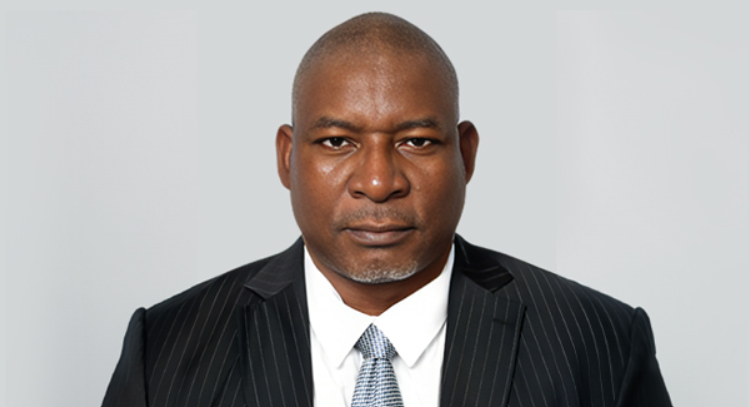
Nigeria’s Auditor-General for the Federation has revealed that the National Cash Transfer Office cannot account for N33.75bn paid out to 3.29 million vulnerable households in 2023. The alarming discovery forms part of the Auditor-General’s 2024 Annual Report on Non-Compliance and Internal Control Weaknesses in Federal Ministries, Departments, and Agencies. Shaakaa Chira, who heads the federal audit institution, found eight separate accounting breaches across the agency’s books. Cash officers claimed they routed the money through digital channels to indigent families across thirty-five states. Yet payment vouchers omitted vital beneficiary identities and personal bank details. Agency staff actively blocked auditors from viewing the central electronic Remita transaction statements. Bureaucrats hide the books when money vanishes into thin air. Public charity turns into private plunder with remarkable ease in Abuja.
The audit team discovered that the cash agency bypassed mandatory pre-payment checks on transactions worth N36.74bn. Extant financial rules require the internal audit unit to inspect and clear payment vouchers before disbursement. Cash office managers ignored those statutory controls, running checks only after they transferred the money. That backward arrangement invites systemic diversion and outright theft of public funds. Auditors could not verify whether the listed names on the National Social Register match the individuals who actually collected cash. The agency claims it maintains a clean National Beneficiary Register. Yet it refuses to let external examiners compare transaction logs with those registries. When administrators blindfold internal auditors, fraud follows immediately.
The audit scrutiny also uncovered N350.18m in direct payments that lacked basic documentary backing. Payment vouchers carried neither photographs of community distribution drives nor signed attendance sheets. Desks processed massive cash disbursements without written acknowledgement slips from recipients. A separate sum of N393.71m in unused enrolment cash, returned by nine state cash transfer units, similarly went missing. The head office failed to present official treasury receipts proving that staff credited the money back to the federal account. Furthermore, agency procurement teams split supply contracts to bypass open tender boards, costing the treasury N2.18m in unpaid taxes. The cash office run by the humanitarian affairs ministry ignored all eight formal queries. Silence from civil servants usually signals deliberate wrongdoing.
The audit revelations arrive on the heels of deep public cynicism regarding the conditional cash transfer scheme. The World Bank faulted the federal relief rollout, noting that only 37 per cent of targeted poor households received help. Former Vice-President Atiku Abubakar demanded that President Bola Tinubu reconcile conflicting official figures on social welfare numbers. Atiku urged the federal administration to publish verified household registries, transaction batches, and bank reversal records. State governments regularly receive billions of naira to cushion the blow of rising petrol and food costs. Yet ordinary citizens on the streets report zero financial aid from the state. Cash transfer programmes exist largely on glossy government flyers. Paper interventions do not put grain into hungry mouths.
The social register has long served as a battleground for political patronage and bureaucratic rent-seeking. Past federal administrations built the register through subjective community surveys that invited manipulation by local political godfathers. Ward chairmen routinely populate local beneficiary rosters with relatives and ghost identities to corner federal stipends. The refusal of agency accountants to show Remita records confirms that fictitious names populate the rolls. Digital wallets and mobile transfers offer speed, but they also allow tech-savvy cartels to siphon billions into private accounts. Private payment gateway operators earn fat commission cuts while indigent mothers wait in vain for monthly stipends. The social register has become a digital trough for corrupt insiders. Technology without honest supervision merely speeds up theft.
This systemic pillage inside the cash transfer office mirrors broader governance failures in the federal humanitarian ministry. Previous ministers face ongoing criminal trials for routing public billions into personal private bank accounts. When an entire agency operates without pre-payment audit clearance, corruption becomes institutional policy. Mid-level clerks see their political masters pocket millions and follow suit by destroying audit trails. The National Assembly Public Accounts Committees regularly summon delinquent accounting officers, only to issue toothless warnings. Federal ministries treat the Auditor-General’s annual queries as minor inconveniences rather than serious legal indictments. The criminal justice system rarely punishes top civil servants who misplace public fortunes. Impunity remains the real engine of administrative rot in Abuja.
The Auditor-General recommended that the National Programme Manager account for the missing N33.75bn or face direct sanctions. The audit office also ordered the recovery of the N350.18m in undocumented disbursements and the missing N393.71m in state refunds. Yet recovery demands remain dead letters without vigorous criminal prosecution by the Economic and Financial Crimes Commission. Lawmakers must stop treating the audit report as routine parliamentary paperwork. The presidency should suspend every accounts officer who blocked access to the payment records. Forensic auditors must reconcile the Central Bank of Nigeria’s digital payment logs with verified national identity numbers. If the state cannot protect relief money meant for starving citizens, it loses all moral authority to govern.
Nigeria cannot build a credible welfare state on broken ledgers and forged signatures. The administration expects citizens to endure harsh market reforms, high fuel costs, and soaring food inflation. Yet public managers divert the very funds allocated to soften those economic shocks. The federal government must tie every social welfare payment directly to verified biometric identity numbers and Bank Verification Numbers. Commercial banks and fintech vendors that facilitate unverified transfers to ghost recipients deserve heavy financial fines. The National Assembly must rewrite audit legislation to give the Auditor-General powers to freeze accounts and prosecute corrupt accounting officers. A poor nation cannot afford to distribute thirty-three billion naira into thin air. Accountability must begin where the money disappears.