
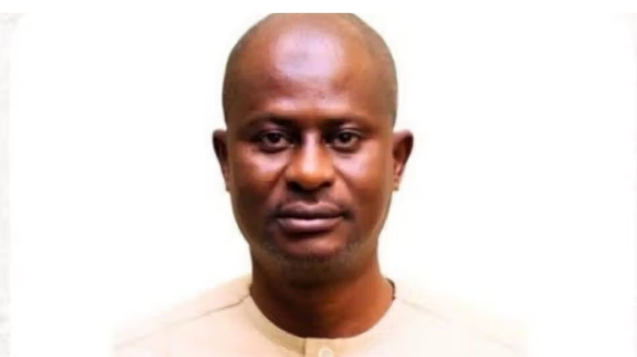
Gunmen shot dead Mallam Nasiru Marafa, the Bursar of the National Open University of Nigeria, as he travelled back from Gusau on Sunday, 6 September 2026. The university registrar, Oladipo Ajayi, confirmed the killing in a formal statement issued from the Abuja headquarters on behalf of the governing council and management. The murder cuts short a career at the very moment of its culmination. The council had appointed Marafa as substantive bursar only days earlier, in September 2026, entrusting him with the institution’s central accounts. He was returning from an official assignment in the Zamfara State capital when armed attackers struck his vehicle. University authorities have withheld the exact spot of the ambush, leaving families and staff to speculate on the details. Nobody has claimed responsibility, and the police have reported no arrests. Death on north-western highways remains cheap, sudden, and routine. Blood stains the road while files sit idle on desks in Abuja.
Marafa’s death underscores the collapse of basic public safety across Zamfara State and the broader North-West. For years, rural gangs on motorbikes have terrorised villages, run illegal checkpoints, and snatched travellers for ransom. The highway network around Gusau has become a corridor of extortion where commuters gamble with their lives every hour. Civil servants and university officials must travel these dangerous roads to supervise remote study centres and coordinate state examinations. Federal security deployments along the trunk roads have failed to stop hit-and-run ambushes by heavily armed bands. Motorists travel in fear, knowing police escorts often flee first during a surprise attack. Marafa survived decades of institutional bureaucracy only to fall to highway rifle fire. Armed bandits now dictate who moves and who dies. The state has yielded the asphalt to predatory bush cartels.
The university community described the loss as a heavy institutional blow that strips the management of an experienced hand. Marafa had spent decades working within university finance departments, earning a reputation for meticulous ledger work. Colleagues had welcomed his appointment as bursar as a rare victory for internal merit and professional continuity. Instead of guiding the university’s financial strategy through national budget cuts, his tenure ends before his first full month closes. The vice-chancellor, Olufemi Peters, faces the grim task of comforting a demoralised workforce while reorganising the finance division. Academic administrators in northern outposts now question whether travel to provincial centres justifies the grave personal danger. Marafa leaves behind a mourning family, an empty office, and an institution in shock. Terror spares neither junior clerks nor top managers.
Official statements from state agencies followed a depressingly familiar script of outrage and empty condolences. The university expressed profound sorrow, prayed for the repose of his soul, and urged security agencies to track down the killers. Yet everyone in Abuja and Gusau knows the probable outcome of such official appeals. Bandits retreat into thick forest redoubts across Maru, Anka, and Dansadau, where state security forces rarely venture on foot. Police commands lack basic tracking equipment, helicopters, and functional forensic tools to solve highway homicides. Politicians issue condolences from behind bulletproof windscreens while ordinary commuters face the terror unarmed. Investigations usually stall before detectives visit the crime scene. Impunity feeds on administrative indifference. Words cannot comfort a grieving widow when killers roam free.
The tragedy also exposes the harsh realities facing distance-learning institutions that must maintain a presence in conflict zones. The National Open University operates dozens of community study centres across every state, often in remote provincial headquarters. Keeping those provincial desks open requires senior administrators to travel thousands of miles over broken roads each semester. In safer countries, digital communication replaces hazardous physical travel for top accountants and registrars. In Nigeria, erratic internet services, poor banking links, and paper audit trails still force staff onto lethal highways. Marafa took the highway to Gusau because his job demanded physical oversight of regional assets. The central state cannot even protect its own senior university officials on major transport routes. Insecurity strangles public education from the outside.
Political leaders in Zamfara spend their energy trading bitter insults rather than fixing state policing. State Governor Dauda Lawal and opposition figures in Abuja continue their noisy feud over security votes and local militia funding. While politicians bicker over campaign turf ahead of the 2027 elections, armed gangs take control of entire rural wards. Villagers pay grain levies to forest commanders simply to harvest their farms without getting shot. Mining cartels, rogue local chiefs, and corrupt security officers profit from the disorder, keeping the violence alive. Marafa became another casualty in a war that local elites refuse to fight with genuine resolve. Ordinary citizens pay the ultimate price for elite negligence. Governance has degenerated into mutual finger-pointing in Gusau.
The federal government must overhaul highway security in the North-West before armed gangs cut off all inter-state commerce. Patrol cars must hold fixed positions with permanent drone cover on high-risk sections between Gusau, Funtua, and Kaduna. Defence chiefs in Abuja need to dismantle the forest camps where bandit gangs plan their raids and hold hostages. State governors must drop their political games and build a joint intelligence system with federal troops. University councils must rewrite their travel rules to ban non-essential road trips for senior staff through active conflict zones. The murder of Nasiru Marafa should serve as a stark warning to a complacent political class. Bandits do not distinguish between party lines or social status. Highway terror will eventually knock on every door.