
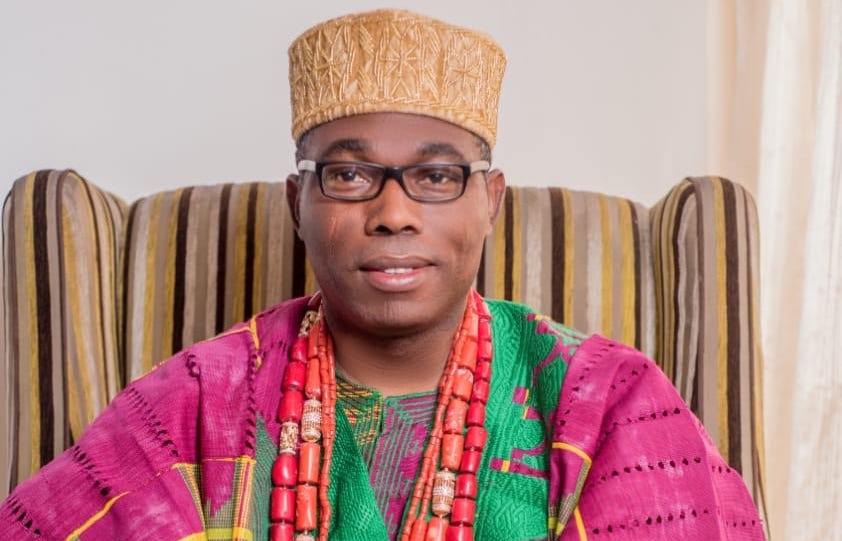
The debate over Nigeria’s political future ahead of the 2027 presidential election has intensified after Social Democratic Party (SDP) candidate Adewole Adebayo rejected comments by former Labour Party vice-presidential candidate Datti Baba-Ahmed suggesting that none of the major contenders seeking to replace President Bola Tinubu would significantly improve the country.
Adebayo argued that Baba-Ahmed’s conclusion reflected his personal experiences with politicians he had previously worked with and should not be extended to individuals whose leadership capacity he had not directly assessed.
The exchange highlights an emerging conversation among political actors about the credibility, experience and reform agenda of potential presidential candidates ahead of the next general election cycle.
Baba-Ahmed, who was the running mate of Peter Obi during the 2023 presidential election, made the remarks during an appearance on the Mic On Podcast.
According to comments reported by Vanguard, he advised President Tinubu to prepare to leave office but argued that opposition figures seeking to succeed him would not necessarily deliver a better outcome for Nigeria.
He referenced the political history of several opposition figures, noting that some had previously been associated with established political parties before becoming critics or challengers of the current administration.
His comments were framed as an assessment of the political class based on his experience and observations.
Responding during an interview on Arise TV’s News Night, Adebayo disagreed with the suggestion that all major political contenders lacked the capacity to improve Nigeria.
He said Baba-Ahmed’s views should be limited to politicians with whom he had personal experience rather than applied broadly to every candidate.
Adebayo argued that political assessments should consider individual records, ideas and policy positions rather than grouping all candidates together.
He specifically stated that Baba-Ahmed had not worked closely with him and therefore could not accurately determine his ability to govern.
The disagreement also touched on the political histories of Nigerian politicians, a recurring issue during election seasons.
Adebayo noted that Baba-Ahmed’s previous involvement with the Peoples Democratic Party (PDP) gave him familiarity with some political figures, suggesting that his assessment may have been influenced by those experiences.
However, the claim remains an interpretation by Adebayo rather than an independently established explanation for Baba-Ahmed’s position.
Nigeria’s political landscape has historically featured movement of politicians between parties, with individuals often changing political platforms based on evolving alliances, ideological differences and electoral strategies.
The exchange comes as political parties and potential candidates begin shaping narratives ahead of the 2027 presidential election.
Nigeria’s presidential elections are conducted every four years, and the next scheduled election is expected in 2027.
The 2023 presidential election produced a competitive contest involving candidates from the All Progressives Congress (APC), Peoples Democratic Party (PDP), Labour Party and other political parties.
Issues likely to dominate future political debates include economic management, security, employment, infrastructure development, governance reforms and public accountability.
Beyond individual disagreements among politicians, analysts often view election periods as moments when candidates are expected to present clear policy proposals and explain how their approaches differ from those of previous administrations.
As political activities increase ahead of 2027, candidates are expected to face greater public examination of their previous roles, policy positions and proposed solutions to Nigeria’s challenges.
The debate between Adebayo and Baba-Ahmed reflects a broader question in Nigerian politics: whether political experience within existing systems is an advantage for leadership or whether new approaches are required to address longstanding national problems.
For voters, the relevance of such exchanges may ultimately depend on how political actors translate criticism into specific programmes, measurable commitments and practical solutions.