
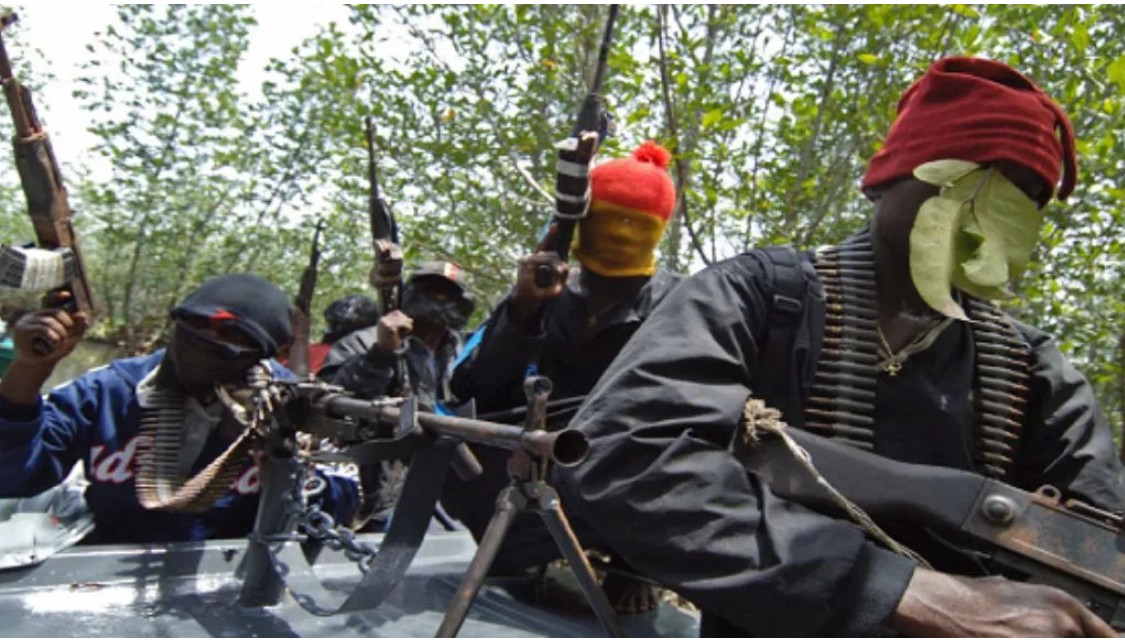
Armed bandits seized six Islamic clerics along the Dakko to Damri road in Zamfara State on Saturday morning. The preachers were travelling to Talata Mafara to attend a mass prayer gathering convened by former governor Abdul’aziz Yari. The planned assembly aimed to bring thousands of clerics together to pray for peace and President Bola Tinubu’s re-election bid. The gunmen intercepted the vehicle near Gidan Suleiman Bature within the Gonar Sarkin forest around mid-morning. Zamfara State Police spokesperson Yazid Abubakar confirmed the abduction and said officers had begun a search mission. Spokesperson for the Nigerian Army’s 8th Division, Lieutenant Colonel Olaniyi Osoba, confirmed the incident but withheld the identities of the victims. Holy men enjoy no special immunity from the business of ransom.
The raid strips away any lingering belief that religious authority shields citizens from rural marauders. The abductors dragged the six men into the scrubland alongside other travellers who ran into the roadblock. Bandits also took a local driver and traders using the rural corridor at the same hour. One merchant secured his quick release after handing over nearly two million naira in cash on the spot. The criminals told the merchant that his trading proceeds had settled his ransom bill. The clerics had no such liquidity in their pockets to buy immediate freedom. Rural gangs calculate human value purely in bank transfers and telephone bargaining. Piety pays no dividends on a lonely forest track.
The incident highlights the hollow nature of political posturing in the rural north. Senator Yari, who leads the campaign apparatus for the president’s second term, wanted nearly three thousand clerics to bless the ruling party’s fortunes. Yet the state machinery cannot secure the very roads leading to the venue. Politicians routinely summon ordinary citizens from vulnerable villages to project strength and divine favour. Those same citizens must navigate perilous bush paths without a single police escort. Armed outlaws now dictate who travels and who arrives across major portions of the state. Organising political spectacles in regions stripped of basic order borders on negligence. The state projects power in towns while ceding the bush.
Local communities surrounding the Gonar Sarkin forest live under conditions resembling an open penal colony. Villagers in nearby settlements such as Matsafa, Lambusu, and Kurhi cannot harvest their crops without paying cash levies to armed gangs. Outlaws demand heavy tithes simply to grant peasant farmers access to their own family fields. Those who fail to pay face immediate abduction or fatal beatings in their homesteads. Residents report that state security personnel rarely patrol these farming tracts after dark. Entire districts have slipped out of sovereign administrative control into the grip of extortion syndicates. The social contract has broken down completely across the rural interior. Survival requires buying peace from the men with the rifles.
The response from the security forces follows an exhausted, predictable cycle of belated announcements. Police units in Gusau issued formal statements promising swift rescues and coordinated tactical operations across the district. Similar declarations over the past five years have rarely led to tactical breakthroughs or courtroom convictions. The armed forces operate from static bases in local government headquarters, leaving vast forest tracts unpoliced. Ground troops lack the mobile reconnaissance vehicles and off-road capability required to track nimble gangs through heavy brush. Bandits move captives through established forest camps long before tactical squads leave their barracks. Families inevitably turn to private intermediaries to open ransom talks. Bureaucrats issue press statements while relatives count out currency notes.
The kidnapping industry in northwestern Nigeria has grown into an entrenched, self-financing illicit enterprise. What began years ago as rustic cattle rustling has mutated into systematic hostage taking for profit. The gangs use ransom proceeds to buy modern automatic rifles and high-speed motorbikes from regional smuggling routes. Rural poverty and mass unemployment provide an endless supply of young foot soldiers willing to man the tree lines. Traditional rulers and local headmen who resist the syndicates face execution or forced flight. The state’s half-hearted amnesty schemes and cash buybacks have merely enriched the gang leaders. Criminality pays far better than farming in the rural savannah. Kidnapping continues because the economic returns vastly outweigh the legal risks.
The abduction of clerics travelling to an official campaign event brings sharp embarrassment to the presidential villa. President Tinubu has repeatedly promised to break the back of rural terror and secure the agricultural north. Yet his own political agents cannot guarantee the safety of supporters answering their call to prayer. The episode will fuel voter disillusionment as the 2027 general election cycle begins to gather pace. Citizens in the north-west are growing weary of political promises delivered against a backdrop of fresh abductions. If the state cannot protect renowned scholars on a Saturday morning, it cannot protect polling stations tomorrow. Political campaigns will struggle to find credibility in communities ruled by fear. Security remains the only currency that matters to the electorate.