
The Independent National Electoral Commission has scheduled a national stakeholders’ meeting and world press conference for Tuesday, 6 October 2026, to mark 100 days to the 2027 general elections and set out how far its preparations have gone.
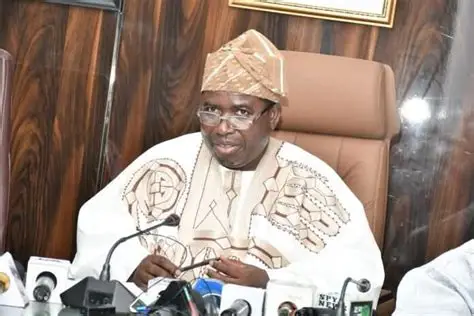
In a statement issued on Sunday, the commission said the event would run from 10am at the Bola Ahmed Tinubu International Conference Centre in Abuja. The INEC Chairman, Professor Joash Amupitan, SAN, is expected to address the gathering, which the commission says will cover the voters’ register, candidate nominations, logistics and measures to protect the integrity of the process.
Amupitan was sworn in on 23 October 2025, succeeding Professor Mahmood Yakubu, who led the commission through two five-year terms from 2015. A professor of law at the University of Jos, Amupitan takes INEC into its first general election under his watch, and Tuesday’s briefing will be among the clearest public accounts yet of the commission’s readiness.
The 100-day marker is INEC’s own framing. By the official calendar, the presidential and National Assembly elections hold on 16 January 2027, which is 102 days from the date of the briefing, while the governorship and state assembly polls follow on 6 February 2027. The commission has not said whether it will round the figure or adjust any date, and its statement gave no indication that the timetable would change.
Those dates themselves are a recent revision. INEC had originally fixed 20 February and 6 March 2027 under the Electoral Act 2022. After President Bola Tinubu signed the Electoral Act 2026 into law on 18 February 2026, the commission moved the elections forward to comply with the new statutory timelines. If the schedule holds, it will be the first time since 1999 that Nigeria conducts a presidential poll in January.
The commission described Tuesday’s meeting as part of a wider effort to keep key actors informed and to strengthen cooperation on the conduct and security of the elections. According to the statement, it is meant to underline what INEC called its commitment to transparency, proactive communication and collaborative engagement across the electoral process.
The guest list points to the range of institutions INEC says are central to the exercise. Those invited include political party leaders, security agencies on the Inter-Agency Consultative Committee on Election Security, members of the diplomatic corps, development partners, civil society organisations and election observer groups. Disability rights advocates, religious and traditional leaders, youth organisations and media executives are also expected to take part.
The ground the briefing will cover is already live. INEC published its final list of 18 presidential candidates on 12 September 2026, and campaigns for the presidential and National Assembly elections opened on 19 August 2026. With the field set and campaigning under way, attention now turns to the operational machinery behind the vote.
That machinery has drawn scrutiny before. At his Senate screening in October 2025, Amupitan promised an audit of the INEC Results Viewing portal, known as IReV, to address the glitches that undermined public confidence during the 2023 general election. The performance of that portal, and of the broader technology INEC deploys, remains one of the open questions the commission will be pressed on as the poll approaches.
The voters’ register is another. INEC has indicated it will update stakeholders on the register on Tuesday, though the statement did not disclose the current number of registered voters or the status of any continuous registration exercise. Those figures, when released, will be among the most closely watched indicators of preparedness.
Logistics has historically been the point where Nigerian elections are won or lost on credibility, from the distribution of sensitive materials to the deployment of personnel across more than 170,000 polling units. The commission said the briefing would address the measures being put in place, but detailed arrangements are the kind of operational matter that typically firms up closer to election day.
INEC said attendance at the venue would be strictly by invitation, with accredited journalists and guests required to present invitation cards or accreditation badges at security checkpoints. The proceedings, the commission added, would be broadcast live on major national television networks and streamed on its official social media platforms to allow wider public access.
What the briefing is unlikely to settle is the political contest around it. The 2027 race has already produced disputes that have reached the courts, including a suit by the African Democratic Congress candidate, Atiku Abubakar, challenging President Tinubu’s eligibility, which the Federal High Court in Abuja adjourned to 28 September 2026. Those matters sit outside INEC’s briefing, but they form part of the charged backdrop against which the commission is now presenting its plans.
For voters, the value of Tuesday’s engagement will lie in the specifics. Whether INEC provides firm figures on the register, a clear account of the IReV audit and concrete logistics timelines, rather than broad assurances, will determine how much the 100-day mark advances public confidence as the countdown tightens.