
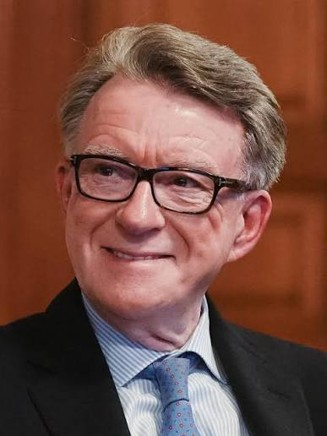
Disclosed emails show Peter Mandelson sought a quiet lunch between a Trump economic adviser and a Global Counsel staffer while holding shares in the lobbying firm and facing vetting scrutiny.
Disclosed records from Washington and London show Peter Mandelson sought a quiet lunch between a Donald Trump economic adviser and a member of his former lobbying firm, Global Counsel, while holding shares in that company. Such backchannel moves test how public envoys separate state duty from private commercial links.
Mandelson wrote to the presidential adviser in April 2025, while serving as ambassador to Washington, proposing talks on alternatives to the World Trade Organisation and ways like-minded partners handle China and its practices. He asked to bring a former trade colleague with interesting views to lead off, adding that keeping the gathering under the radar would suit best.
He then forwarded those emails to a Global Counsel employee to check availability. That sequence sits at the heart of a wider controversy over vetting, conflicts of interest, and ministerial oversight in Britain.
Unsold Shares and Quiet Consultations
Refusal to sell his Global Counsel shares followed his appointment as ambassador because, per an official letter, the firm had not offered what Mandelson viewed as fair value. In July 2025, he wrote amid press inquiries that Global Counsel should pull their fingers out and buy his shares.
Olly Robbins, then top civil servant at the Foreign Office, had already instructed Mandelson to avoid any impression of consciously or unconsciously advancing Global Counsel’s commercial interests. Yet records show Mandelson still sought input from former colleagues on ambassadorial work.
He sent a draft speech for the Ditchley Foundation to a Global Counsel director for feedback, later noting he would soften the lecture on China. Those exchanges raise sharp questions about boundaries between diplomatic advice and corporate circles.
Vetting Overrides and Official Warnings
Keir Starmer announced in December 2024 that Mandelson would become the next British ambassador to Washington, before reporting in April showed he had failed developed vetting. Foreign Office leaders overruled vetting officials who recommended denying clearance, allowing him to assume the post.
Sources cited vetting concerns over links to senior figures in China, Russia, and Israel alongside a one-million-pound loan. Those points stood apart from his ties to Jeffrey Epstein, which prompted his dismissal in September 2025.
Foreign Office security chief Ian Collard wrote to line managers that clearance had been granted while private sector engagements went through conflict rules and conduct duties were sent by letter. Collard added that overseas contacts would face review by other authorities handling higher clearance levels.
Parliamentary Pressure and Withheld Files
Parliament passed a humble address in February ordering public release of all papers tied to Mandelson’s appointment. Disclosures in March and June held back certain records at the Metropolitan Police’s request to avoid risking prejudice to an active inquiry into Mandelson.
Ministers said withheld items covered vetting material and conflict of interest papers, leaving Mandelson’s conflict declaration form and a vetting summary document unseen. Transparency advocates and lawmakers across political lines scrutinise what remains sealed.
Starmer also dismissed Robbins, who told parliamentarians his office faced constant pressure from Downing Street to place Mandelson in post swiftly. Robbins said he viewed vetting officials as seeing Mandelson as borderline and clearable with mitigations, though no documents supported that claim, and he later received a six-figure payout.
Select Committee Verdict and Wider Lessons
Lawmakers on the foreign affairs select committee concluded in July that putting Mandelson in the role was nothing short of disastrous, highly damaging to the government, and painful and offensive to Jeffrey Epstein victims. Mandelson has been approached for comment on the latest disclosures.
For readers in Nigeria and across the Commonwealth, the episode underscores why clear conflict rules and independent vetting matter before envoys take sensitive posts. Public trust depends on scrutiny that holds even senior diplomats to transparent standards when statecraft meets private interests.