
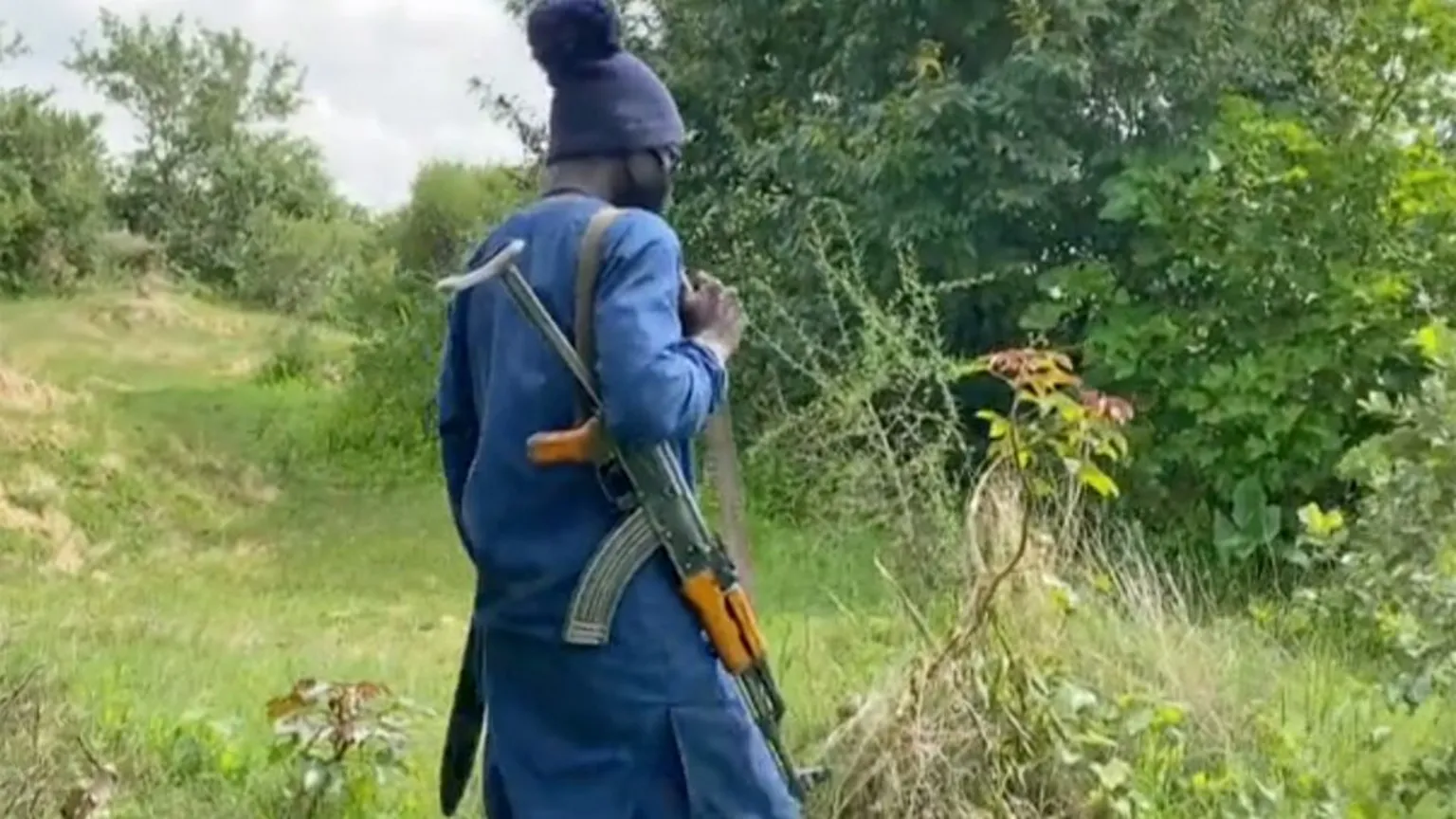
Armed bandits have razed a public school in Niger State shortly after extorting a ten-million-naira levy from the local host community. The incident occurred in the volatile Shiroro local government area on Wednesday night, following weeks of intense threats. Local community leaders confirmed they painfully raised the exorbitant protection fee across farming households to secure their lives and properties. Instead of honoring the criminal agreement, the heavily armed attackers invaded the community under the cover of darkness. They focused their assault on the primary learning facility, reducing classrooms and teaching materials to ashes.
The destructive attack reveals the absolute lawlessness underpinning the ongoing security crisis across the north-central region. Criminal gangs routinely impose arbitrary taxes on agrarian communities to fund their operations and purchase heavy weaponry. Local farmers must pay these illicit levies or face immediate massacre, abduction, or the total burning of their fields. This latest incident proves that financial compliance provides no genuine safety against these volatile networks. The destruction of the school denies hundreds of rural children access to basic education. It deepens the educational deficit within a region already struggling with massive out-of-school numbers.
Federal security agencies continue to face severe criticism over their inability to protect vulnerable rural communities from exploitation. While tactical command centers remain operational in the state capital, the response to remote rural distress calls stays painfully slow. Local vigilantes tried to defend the village but retreated before the superior firepower of the invading gang. The ease with which the bandits collected the massive cash sum highlights a complete failure of state intelligence networks. Underground operators move large sums of cash through local forests without facing serious military interdiction.
The state government has strongly condemned the school burning, describing it as a direct assault on human development. Regional administrators promised to deploy additional joint security forces to restore order to the displaced farming communities. However, weary residents have lost confidence in these routine political assurances after years of repeated attacks. Many families are already abandoning their ancestral homes to seek refuge in overcrowded displacement camps near safer urban zones. The persistent displacement of farming communities severely threatens national food security as the planting season progresses.
This severe security breach occurs amid an intense national debate regarding the creation of state police forces. Proponents argue that local officers will react much faster to security alerts within their immediate communities. Conversely, critics warn that regional governors could easily weaponize local police against political opponents. The current federal security apparatus remains visibly overstretched, struggling to maintain a presence across vast territorial expanses. Until the state establishes permanent security posts in rural hubs, criminal cartels will continue to govern the countryside.
The Ministry of Education announced temporary measures to relocate the affected students to neighboring villages to continue their learning. Yet, executing these educational adjustments remains highly dangerous given the unpredictable nature of bandit movements along rural corridors. Parents are increasingly reluctant to send their children to any school that lacks a concrete perimeter wall and armed guards. The administration must reclaim total territorial control rather than managing the fallout of these constant attacks. The state cannot afford to cede its educational future to violent criminals.