
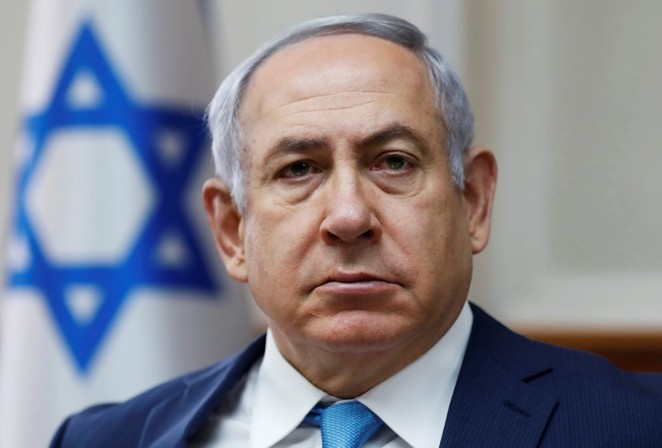
Israeli forces launched fresh military strikes across southern Lebanon on Friday, violating a fragile regional truce on the 119th day of the Iran war. Prime Minister Benjamin Netanyahu declared that the Israeli military will not withdraw from newly occupied border zones. The Lebanese armed group Hezbollah accused Israel of deliberately targeting civilians trying to return to their homes, leaving two dead. These localized hostilities persist even as broader geopolitical tensions show signs of cooling elsewhere. Bilateral delegations from both Israel and Lebanon plan to continue delicate stabilization talks on Friday.
The persistent violence on the ground contrasts sharply with significant progress in international nuclear diplomacy. The International Atomic Energy Agency announced on Friday that it expects to resume inspections of Iranian nuclear sites very soon. IAEA Chief Rafael Grossi expressed optimism about returning inspectors to the country to verify enriched uranium stockpiles. This breakthrough followed a temporary easing of US oil sanctions in exchange for international nuclear oversight. However, the ongoing cross-border skirmishes in the Levant threaten to destabilize these carefully engineered diplomatic channels.
Meanwhile, a bitter diplomatic dispute has erupted over the control of the strategic Strait of Hormuz. US Secretary of State Marco Rubio stated that Washington and its Gulf allies completely reject any transit fees. Iranian authorities recently hinted at imposing tariffs on vessels passing through the narrow energy corridor. The Islamic Revolutionary Guard Corps issued a stern warning against any unauthorised crossings of the vital waterway. Though India lifted emergency restrictions on commercial gas traffic as traffic resumed, the strait remains a major flashpoint.
Western intelligence agencies also advanced their parallel economic warfare campaign against Iranian interests. The US Federal Bureau of Investigation, working alongside Montenegrin police, arrested an Iranian national in the Adriatic resort of Kotor. Authorities suspect the 39-year-old hacker of disabling vital American infrastructure networks over ten years. The cyberattacks allegedly targeted more than 150 universities, causing an estimated $3.4bn in structural damages. The suspect now faces swift extradition to a federal court in New York.
The ongoing friction reveals a deep disconnect between high-level diplomacy and territorial realities. Foreign technocrats in Geneva are trying to patch together a workable regional settlement. Yet, Israeli commanders continue to bulldoze homes and establish permanent security buffers inside sovereign Lebanese territory. Four Israeli soldiers suffered injuries during a close-range encounter with local fighters on Friday morning. The military apparatus appears determined to finish its campaign regardless of international consensus.
The international community watches this split-screen conflict with growing anxiety. The partial revival of the global energy trade offers minor comfort to jittery financial markets. However, a lasting peace requires absolute compliance from all regional combatants, not just the principal superpowers. Netanyahu’s refusal to cede captured territory guarantees a prolonged insurgency along the northern border. Until the guns in southern Lebanon fall silent, the broader regional truce remains entirely nominal.