
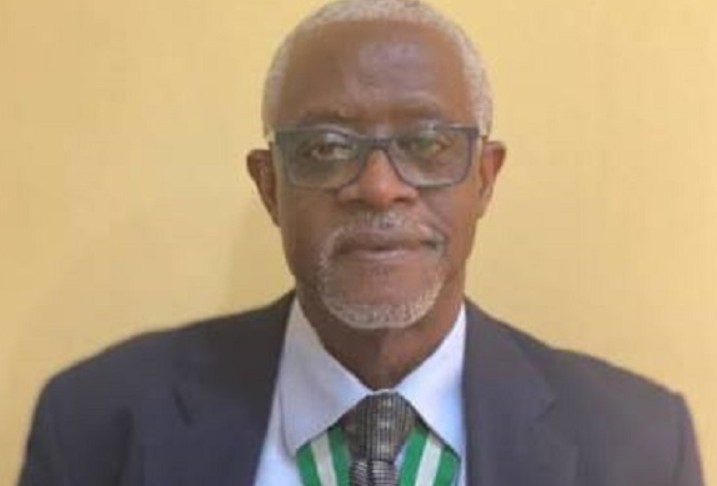
Nigeria must immediately halt costly public rehabilitation projects and sell controlling stakes in its broken state-owned refineries to private operators, the Nigerian Society of Chemical Engineers declared on Saturday. Society president Bayo Olarewaju-Alo warned that pouring more public funds into state refiners merely delays inevitable operational collapse while burning scarce treasury reserves. State maintenance contracts waste public money. Delivering a paper on domestic refining governance, Olarewaju-Alo pressed the federal government and the Nigerian National Petroleum Company Limited to craft a transparent, competitive, and time-bound divestment roadmap that hands daily plant control to competent industrial investors.
The engineers dismantled the long-standing official excuse that mechanical decay alone keeps the state-owned refineries shut across Port Harcourt, Warri, and Kaduna. Decades of failed turn-around maintenance stem directly from political interference, bad management, zero investment discipline, and a total lack of operational accountability inside state energy corridors. Bureaucracy ruins complex chemical plants. The society advised Abuja to step back completely from daily commercial plant operations and restrict its role to setting industry policy, enforcing environmental standards, and safeguarding fair market competition.
Handing these idle processing assets to private operators with legally binding performance contracts offers Nigeria a direct route out of chronic imported fuel shortages and volatile retail petrol prices. Operational plants would anchor domestic energy security, stimulate petrochemical manufacturing, create durable technical jobs for local engineering graduates, and feed petroleum products across neighbouring West African markets. Commercial discipline changes plant output. Private capital works only when politicians surrender board seats and end discretionary crude oil allocations to political cronies who profit from prolonged domestic refining failures.
The engineers urged the state oil firm to involve independent professional bodies like the Nigerian Society of Chemical Engineers to scrutinise asset audits and oversee the equity sale to credible industrial operators. Independent technical scrutiny deters corrupt insider deals. Decades of state ownership turned multi-billion-dollar refining complexes into bottomless cash sinks for parasitic political contractors who collect massive repair advances without refining a single barrel of crude oil. Only total commercial privatisation backed by strict operational autonomy will force these rusted facilities to produce refined fuel.