
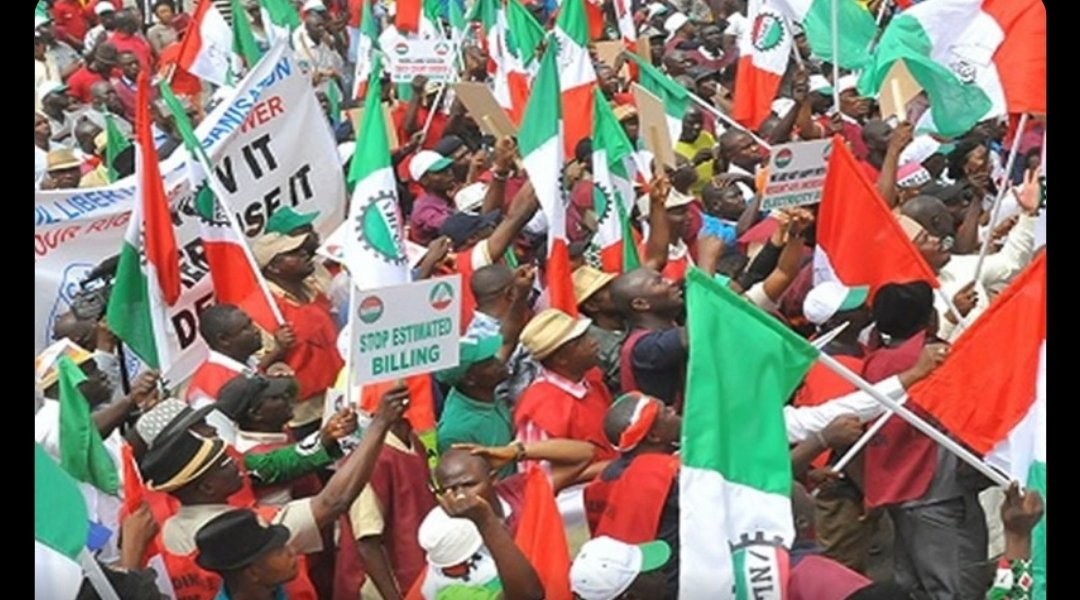
Nigerian public servants under the Joint National Public Service Negotiating Council have threatened a three-day warning strike starting on Friday, 2 October 2026, unless President Bola Tinubu slashes petrol prices and approves an emergency wage award. The council wants the federal government to force retail pump rates down to 500 naira per litre from current heights exceeding 1,000 naira. Skyrocketing energy charges have reduced household budgets to ash.
Union leaders served this ultimatum directly ahead of the president’s traditional Independence Day broadcast on Wednesday, demanding concrete price relief rather than ceremonial sermons from the presidential villa in Abuja. The labour coalition warned that workers and their dependants can no longer bear the grinding economic hardship caused by unchecked market deregulation and currency depreciation. Desperate civil servants demand swift relief.
The council insists that ministers set up a special state intervention fund to knock retail motor spirit down to 500 naira per litre, arguing that expensive fuel neutralises the newly approved 70,000 naira statutory baseline wage before civil servants can even pay their monthly commuting costs. The presidency remains opposed to reinstating any form of consumer fuel support, warning that returning to direct treasury relief will bankrupt the Nigerian National Petroleum Company Limited. State treasurers resist market subsidies.
The ultimatum exposes the steep political cost of the administration’s fiscal reforms, which dismantled the decades-old fuel subsidy programme without setting up functioning public transport networks or targeted safety nets to protect workers. By pegging retail fuel prices to a tumbling domestic currency and global crude benchmarks, authorities transferred the entire burden of external macroeconomic shocks directly onto the shoulders of fixed-salary earners who cannot pass on their costs. Empty pockets make angry crowds.
A shutdown of federal secretariats and state ministries right after the country marks its sixty-sixth year of independence would halt basic administrative operations and inflame wider civil society unrest across the country. If the head of state fails to offer credible relief during his national broadcast, organised labour plans to withdraw services nationwide and trigger a wider confrontation with security forces. Bureaucrats cannot work without transport.