
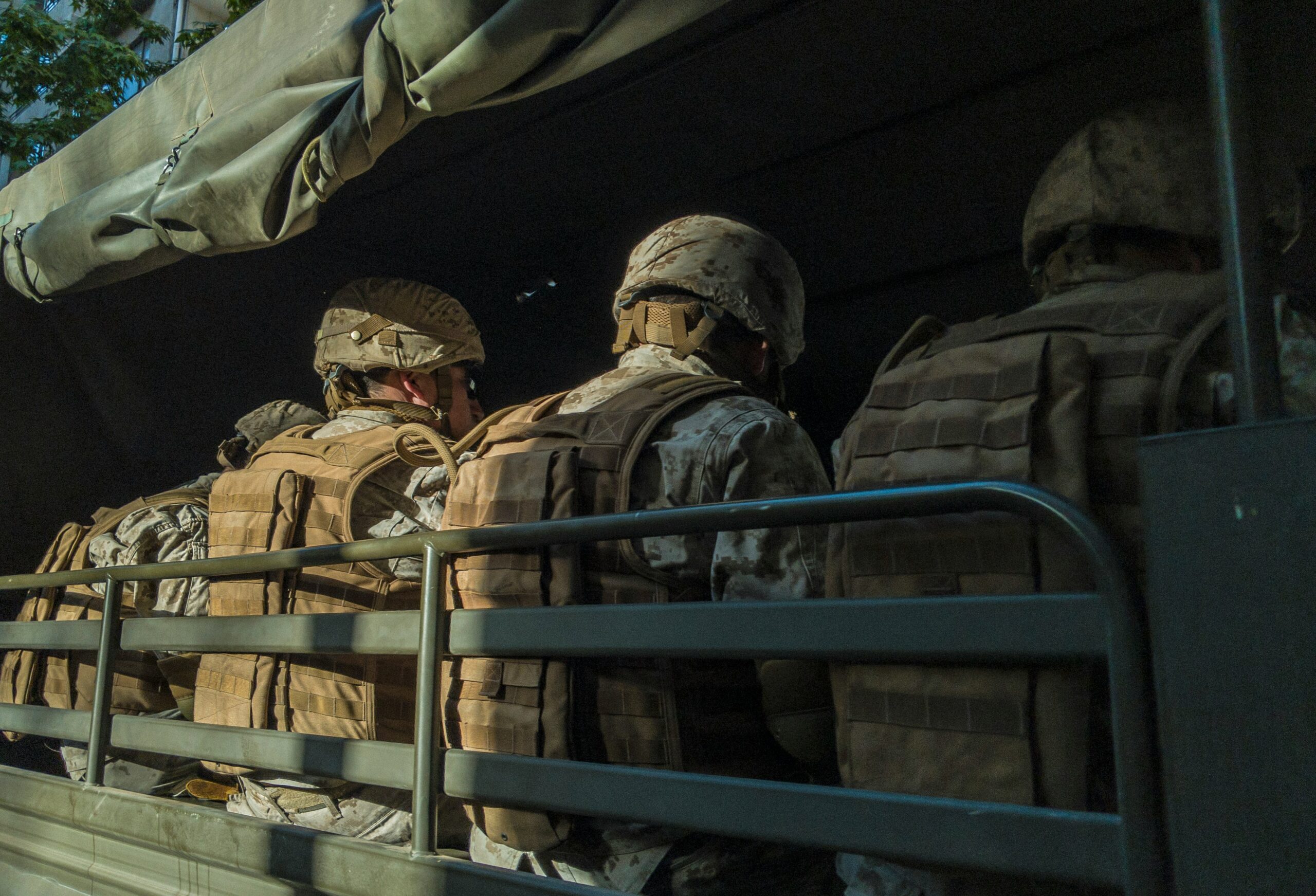
The United States and its coalition partners concluded their twelve-year military mission in Iraq on Wednesday, 30 September 2026, pulling their last combat detachments from federal installations and leaving the central government in Baghdad to stand alone against armed sectarian factions. Western military planners shuttered their sprawling operational headquarters at the Camp Victory complex near Baghdad International Airport, ending an expeditionary campaign that began during the territorial surge of Islamic State militants in 2014. Foreign boots depart fragile soil.
The departure hands absolute territorial authority to Prime Minister Ali Al Zaidi, whose weak security units must now confront well-armed militias that answer directly to clerical patronage networks in Tehran. Powerful paramilitary groups such as Kataeb Hezbollah welcomed the withdrawal of foreign forces as a victory for state sovereignty, yet they promptly issued public threats to topple the civilian cabinet by force if ministers fail to serve partisan interests. Washington demanded the total disarmament of these rogue brigades before departing, but local commanders flatly refused to surrender heavy rockets, artillery, and attack drones. Armed groups retain street power.
The withdrawal strips autonomous Kurdish authorities in Erbil of American air-defence batteries and surface radar umbrellas that shielded the northern enclave from hostile drone salvos. Regional officials in Iraqi Kurdistan publicly condemned the rapid troop exit as premature, warning that domestic air wings lack the sophisticated interceptors needed to defend cities from regional missile crossfire. A silent sky leaves Kurds exposed.
American military planners completed a parallel drawdown across north-eastern Syria earlier this year, deliberately disentangling their forces from open-ended regional skirmishes that offered scant strategic advantage to the White House. That regional retreat leaves Baghdad trapped in a dangerous geopolitical vice between assertive Iranian generals, restive Sunni communities, and deep domestic budget holes. Imperial powers exit when patience wears thin.
Western governments plan to transition all future military cooperation into narrow bilateral training pacts, but paper compacts will not stop rocket batteries or dissolve entrenched sectarian militias. Baghdad insists that national divisions can manage domestic border defences and hunt down isolated terrorist remnants without foreign combat assistance. Reality will test those boasts soon.