
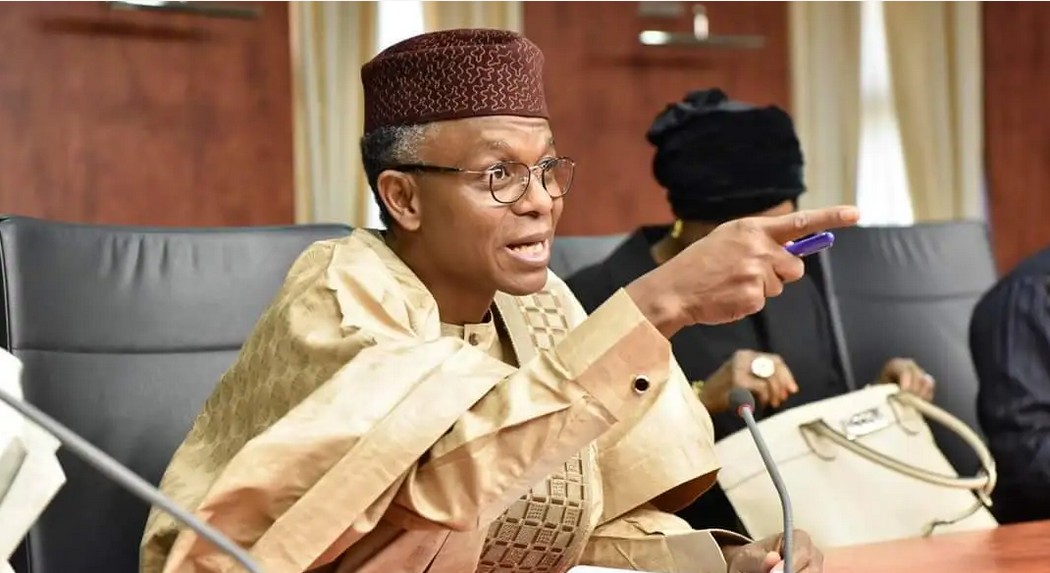
The Federal High Court in Abuja has granted bail to the former governor of Kaduna State, Nasir El-Rufai, following his arraignment by the state. Justice Joyce Abdulmalik set the bail bond at ₦100 million on Monday, attaching exceptionally strict conditions to his temporary release. The state is prosecuting the influential politician over a five-count amended charge tied to national security breaches. Prosecutors accuse him of intercepting private telephone conversations and leaking classified data. The trial signals a deep fracture within the ruling political elite.
The conditions for El-Rufai’s freedom place a heavy administrative burden on his potential guarantors. The court requires a single surety who must be a federal civil servant of at least Grade Level 17. This civil servant must live within the ultra-expensive Maitama or Asokoro districts of the federal capital. To secure El-Rufai’s release, this official must surrender the original Certificate of Occupancy of a landed property to the court registry. The surety must also provide a six-month tax clearance certificate and three months of bank-authenticated salary statements.
The judicial restrictions extend directly to El-Rufai’s personal freedom and movement. The former governor must surrender all valid international passports to the court registry, blocking any immediate plans for foreign travel. He must also report to the headquarters of the Department of State Services in Abuja on the final Friday of every month. The judge mandated that he appear precisely at 10 a.m. to sign an attendance register. Any failure to meet these terms will result in the immediate revocation of his bail.
The court introduced a regional political element into the bail conditions. El-Rufai must provide a formal letter of attestation from the Chairman of the Kaduna Traditional Council. This requirement forces the state’s traditional hierarchy to vouch for a politician who often clashed with local power brokers during his tenure. By involving elite civil servants and traditional rulers, the judiciary ensures that the political establishment shares the risk of El-Rufai’s pre-trial freedom.
The trial stems from allegations that El-Rufai unlawfully accessed and disclosed confidential communication involving the National Security Adviser, Nuhu Ribadu. The state claims the former governor breached both the Cybercrimes Act and the Nigerian Communications Act by wiretapping the senior official. El-Rufai pleaded not guilty to all counts when the state read the amended charges. His legal team must now navigate a trial that threatens to expose state surveillance habits and disrupt regional political alliances ahead of the next electoral cycle.