
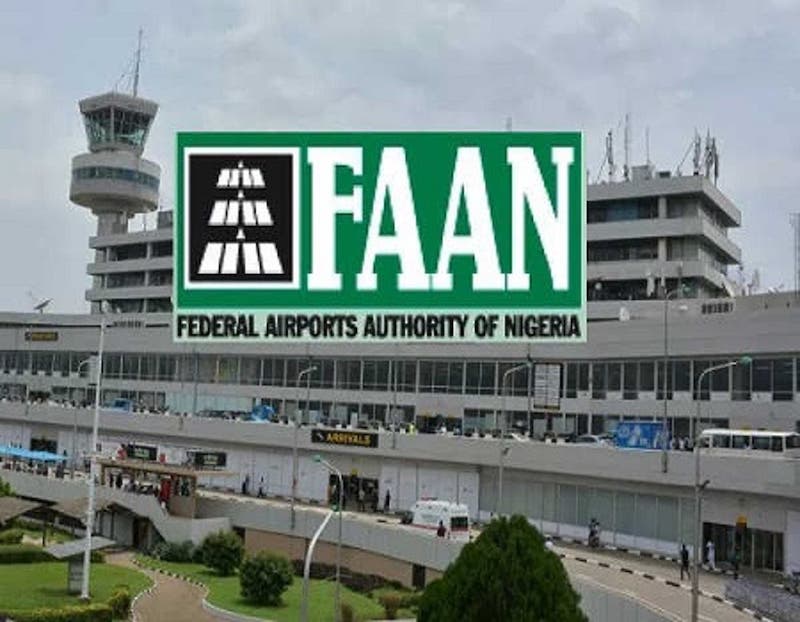
Aviation authorities tightened disease surveillance protocols across all Nigerian airports on Tuesday, 20 October 2026, after federal health officials confirmed an imported case of Ebola disease inside the Federal Capital Territory. The Federal Airports Authority of Nigeria ordered its border teams to work alongside Port Health Services, the Nigeria Centre for Disease Control and Prevention, and the Nigeria Civil Aviation Authority to screen arriving international passengers and protect domestic airline terminals from cross-border infection. Deadly pathogens cross borders with ease. Public relations director Henry Agbebire told airline operators in Lagos that airport security personnel will enforce strict clinical screening rules to stop secondary community transmission before regional air routes carry the contagion to other crowded commercial hubs across the federation.
The sudden scramble follows confirmation that an infected air traveller slipped into Abuja from Uganda and spent days inside a private local clinic before clinicians identified the deadly haemorrhagic fever and began tracing 44 close physical contacts across the capital city. Rapid contact tracing prevents disaster. Federal authorities previously approved ten billion naira in emergency contingency funding in June to set up dedicated isolation holding facilities and thermal scanning corridors at the international airports in Lagos and Abuja, yet this single infected traveller still managed to cross the tarmac into town before port officials noticed a single symptom. Bureaucratic barriers often leak when frontline personnel drop their guard during long shifts, giving virulent tropical infections ample room to spread among unsuspecting domestic travellers.
Airport managers now face the awkward challenge of calming panicky passengers while health teams question flight crews and disinfect passenger arrival halls across the country. Official statements cannot halt real fear. Agbebire urged travellers and airline workers to keep calm and cooperate with quarantine inspectors, warning private citizens to avoid circulating unverified social media rumours that could easily trigger economic stampedes and disrupt international flight operations across West Africa. The federal government remembers the harrowing 2014 outbreak, when an infected Liberian diplomat almost broke the country’s public health system before dedicated Lagos physicians intervened to stop the lethal chain of transmission.
The current airport crackdown tests whether Abuja’s expensive disease-defence apparatus can move beyond official press statements and actually police porous international arrivals halls with disciplined clinical vigilance. Thermal cameras miss silent incubation periods. Port health officers must now verify paper health declaration slips and cross-check flight manifests without creating chaotic boarding queues that leave hundreds of tired passengers shouting at security guards inside stuffy arrival lounges. Nigeria cannot afford another public health disaster while its economy struggles with double-digit inflation and high sovereign debt obligations.
The coming three weeks will show whether the federal quarantine dragnet works or whether bureaucratic delay has let the pathogen escape into other states through domestic air connections and shared commercial taxis. Swift isolation remains the best shield. Aviation authorities must maintain relentless discipline on every single airport arrivals gangway, because reassuring public relations statements will never cure an epidemic once infected airline passengers walk out into city streets.