
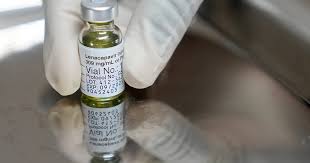
Africa’s efforts to reduce new HIV infections have received a boost with the arrival of the first shipment of generic lenacapavir in Zambia, opening a cheaper route to accessing a preventive injection that requires only two doses annually.
The Global Fund to Fight AIDS, Tuberculosis and Malaria, which announced the development on Wednesday, November 25, said Uganda would receive its supplies in the coming days, while Zimbabwe was scheduled to take delivery in early 2027.
The generic medicine is expected to cost about $40 per person annually, compared with the original version developed by American pharmaceutical company Gilead Sciences, which carries an annual price of approximately $28,000 in the United States. The difference represents a reduction of more than 99 per cent in the stated medicine price, although procurement and healthcare delivery costs may vary across countries.
The development comes at a critical period for Africa, which continues to bear a disproportionate share of the global HIV burden despite decades of investment in prevention, testing and treatment.
According to the World Health Organisation (WHO), an estimated 41 million people were living with HIV globally at the end of 2025, with 26.3 million, representing approximately 64 per cent, within its African region. The region also accounted for half of the estimated 1.2 million new infections recorded worldwide during the year.
Lenacapavir belongs to a category of preventive medicines known as pre-exposure prophylaxis (PrEP). It interferes with the protein shell of HIV, disrupting processes the virus needs to establish infection.
The WHO recommended the medicine in July 2025 as an additional HIV prevention option following encouraging clinical trial results. Its longer duration offers an alternative to daily preventive medication, particularly for people facing difficulties with consistent medication use, stigma and access to healthcare facilities.
A major clinical trial conducted in South Africa and Uganda in 2024 involved more than 5,000 adolescent girls and young women. None of the 2,134 participants who received lenacapavir acquired HIV during the trial, demonstrating its effectiveness under the conditions studied.
The Global Fund said more than 189,000 people across 10 countries had received an initial dose of lenacapavir as of November 2026. The organisation expects 24 countries to receive supplies before the end of the year, with deliveries projected to increase fourfold in 2027.
Working with the United States government, the organisation intends to reach at least three million people by December 2028. Licensing agreements between Gilead Sciences and six generic manufacturers are also expected to expand the medicine’s availability across 120 low and middle income countries.
The rollout has received support from international health funding institutions, including the Gates Foundation, Unitaid and the Children’s Investment Fund Foundation.
Nigeria is among the countries that have already introduced the original formulation of lenacapavir, having officially launched the intervention in March 2026 through the Federal Ministry of Health and Social Welfare.
The National Coordinator of the National AIDS, Viral Hepatitis and Sexually Transmitted Infections Control Programme, Dr Adebobola Bashorun, disclosed during a World AIDS Day media briefing in Abuja on Monday that more than 30,000 Nigerians had accessed the injection.
Bashorun said the country had received nearly 50,000 doses, with additional supplies expected by January 2027. The pilot programme currently covers Akwa Ibom, Anambra, Benue, Cross River, Ebonyi, Gombe, Kano, Kwara, Lagos and the Federal Capital Territory.
Nigeria’s HIV Health Sector Programme Report for 2025 estimated that approximately 1.98 million people were living with HIV in the country, with 1.55 million receiving treatment. Annual new infections declined from an estimated 77,241 in 2022 to 63,591 in 2025, representing a reduction of nearly 18 per cent.
Despite this progress, the figures underscore the need for sustained investment in prevention, early diagnosis and treatment. The Global Fund has yet to announce a specific delivery date for generic lenacapavir in Nigeria.
Globally, data from the Joint United Nations Programme on HIV/AIDS (UNAIDS) show that access to antiretroviral treatment increased from 7.6 million people in 2010 to 32.1 million in 2025. Nevertheless, approximately 570,000 people died from AIDS related illnesses in 2025, while an estimated five million people living with HIV remained unaware of their status.
The introduction of cheaper preventive medicines comes amid uncertainty over international health financing, particularly reductions in United States foreign assistance, which have raised concerns about the sustainability of HIV programmes in developing countries.
Although lenacapavir offers an additional means of preventing infection, it is neither an HIV vaccine nor a cure. The WHO maintains that HIV testing, existing prevention services and continued access to treatment remain essential components of efforts to control the epidemic.
With the United Nations targeting an end to AIDS as a public health threat by 2030, the success of the generic rollout will depend not only on affordability but also on reliable supplies, adequate healthcare infrastructure and access among underserved communities.