
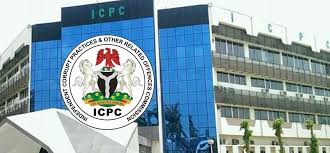
Nigeria’s anti-corruption landscape has come under fresh scrutiny following the circulation of a viral video alleging a ₦50 billion bribery scandal, a claim firmly rejected by the Independent Corrupt Practices and Other Related Offences Commission.
The commission, in an official statement released on Monday, described the video as entirely false, stressing that it neither originated from nor reflects any ongoing investigation within the agency’s mandate. According to the ICPC, the content was deliberately crafted to mislead the public and undermine institutional credibility.
ICPC spokesperson J. Okor Odey stated that “the images, names, and content in the video are fabricated and, in some instances, AI-generated, designed solely to mislead unsuspecting members of the public.” The commission’s position draws attention to the growing use of manipulated digital content in spreading misinformation, a trend increasingly noted by regulatory authorities in Nigeria’s information space.
The viral material had alleged the involvement of high-profile legal practitioners, including Senior Advocates of Nigeria, as well as judicial officers. However, the ICPC categorically denied any such investigation or record. “For the avoidance of doubt, the ICPC is not investigating any individual, SAN, group of lawyers, or judicial officer in connection with the fictitious ₦50 billion bribe referenced in the video. No such case, transaction, or investigation exists within the records of the commission,” the statement clarified.
Nigeria’s legal framework places significant emphasis on the integrity of anti-corruption agencies, with the ICPC established under the Corrupt Practices and Other Related Offences Act 2000 to investigate and prosecute corruption-related offences. Official records show the commission handles hundreds of petitions annually, with cases typically documented through formal processes and public disclosures where necessary.
The emergence of false claims tied to such institutions highlights a broader challenge. Data from Nigeria’s digital ecosystem indicates a steady rise in misinformation, particularly on social media platforms, where viral content often spreads without verification. Regulatory agencies, including the Nigerian Communications Commission, have repeatedly warned about the risks associated with unverified digital content.
In its response, the ICPC warned those responsible for creating and circulating the video to halt such actions immediately, noting that legal consequences would follow. “The ICPC will not tolerate the misuse of its name and institutional credibility to spread disinformation in the name of ‘content creation’,” Odey said, adding that perpetrators “will face serious legal consequences.”
The commission also urged the public to rely strictly on its verified communication channels for accurate information, reaffirming its commitment to “credible, evidence-based investigations in line with the law.”
While the claim has been officially dismissed, the incident underscores the increasing intersection between technology and information integrity, raising ongoing concerns about how fabricated content can influence public perception if left unchecked.