


Japan Restarts World’s Biggest Nuclear Power Plant as Energy Policy Shifts
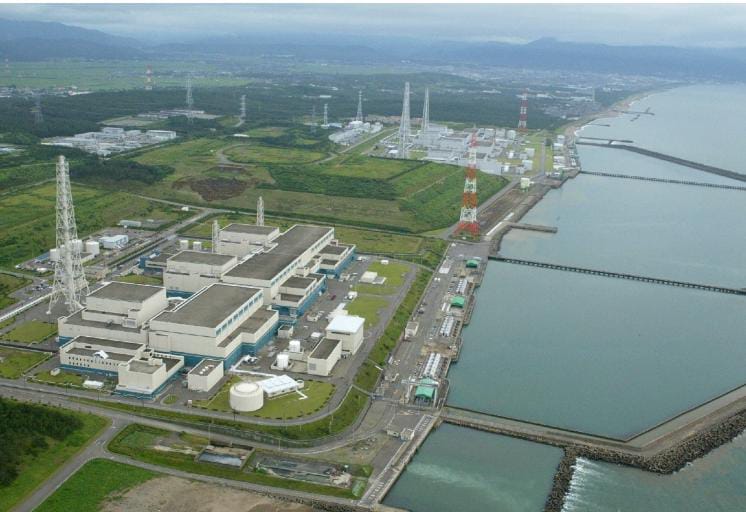
Japan is preparing to restart the Kashiwazaki-Kariwa nuclear power plant, the world’s biggest nuclear facility by potential capacity, marking a significant moment in the country’s evolving energy policy and economic strategy. Operated by Tokyo Electric Power Company (TEPCO), the plant is central to Japan’s push to balance energy security, carbon neutrality, and economic stability.
According to TEPCO, commercial operations at the Kashiwazaki-Kariwa nuclear plant are expected to begin on or after March 18, following another comprehensive inspection. Plant head Takeyuki Inagaki confirmed that the reactor is scheduled to restart on February 9, after resolving technical issues that briefly halted operations in January.
The reactor had been restarted on January 21 but was shut down the next day due to an alarm triggered by minor electrical current fluctuations. TEPCO explained that the issue was caused by a configuration error rather than a safety failure, and the alarm system has since been adjusted to ensure stable operations.
The restart reflects Japan’s broader effort to revive nuclear energy after the 2011 Fukushima disaster, which led to a nationwide shutdown of reactors. Resource-poor Japan now views nuclear power as essential to reducing fossil fuel dependence, supporting economic growth, achieving carbon neutrality by 2050, and meeting rising electricity demand driven by artificial intelligence and digital infrastructure.
However, public opinion remains divided. A Niigata prefecture survey shows 60 percent opposition to the restart, citing seismic risks, while 37 percent support it. Despite resistance, Kashiwazaki-Kariwa is set to become the first TEPCO-run nuclear plant to resume operations since 2011, signaling a cautious but decisive shift in Japan’s energy economy.