
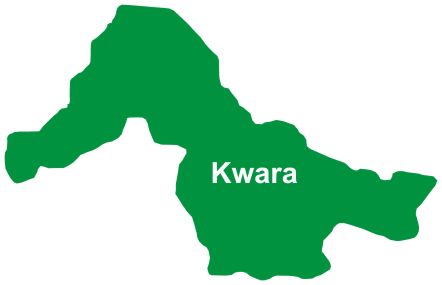
The collapse of the Mooro bridge in Kwara state has severed a primary artery for Nigeria’s internal food trade. A heavy truck triggered the structural failure on Wednesday night, effectively cutting off the state capital from its northern agricultural hubs. This corridor serves as the main transit point for grains, tubers, and perishables moving from Baruten and Kaiama to urban markets. The timing is poor. Nigeria is already struggling with high food inflation, and a bridge failure acts as a physical tax on every bag of produce.
Motorists and farmers now find themselves stranded on the Ilorin–Igbeti road. This route is not merely a local path but a strategic link between Kwara and the northern reaches of Oyo state. It facilitates the movement of staples like yams and maize to markets in Ogbomoso and the wider South-West. When a bridge like this fails, transport fares rise instantly. Drivers must take longer, more dangerous routes to reach their destinations. These costs do not vanish. They appear on the price tags of food in the city.
The Kwara state government has sent engineers to create alternative paths for light traffic. Officials are also talking to federal authorities about using an old iron bridge nearby while a new one is built. These palliative measures rarely suffice for the heavy-duty haulage required for modern commerce. Most farmers in this region deal in perishable goods. Every hour spent waiting for a diversion increases the risk of spoilage. For many, a collapsed bridge means a total loss of their investment.
This incident highlights the fragility of the infrastructure that supports Nigeria’s food security. Baruten and Kaiama are often called the food baskets of the state, yet their connection to consumers relies on a single, aging point of failure. Residents say the bridge has collapsed before. The recurring nature of the problem suggests that maintenance has been neglected for years. A lasting solution is more than a matter of convenience. It is a necessity for economic stability in the region.
The collapse also disrupts trade with the Benin Republic. This corridor supports cross-border movement and petty trading that sustains many small communities. Without a stable crossing, local revenue generation will stall. The economic integration of the Kwara–Oyo axis depends on the reliable flow of people and goods. When that flow stops, the poorest citizens suffer the most. They face higher prices for food and lower returns on their labour.
State traffic managers are now trying to keep order as commuters scramble for alternative routes. The government has asked for patience, but patience does not preserve a harvest. The focus must now shift to completing the new bridge that is currently under construction. Half-measures and iron bridges from a previous era cannot support the weight of the current economy. Nigeria needs a road network that can handle its ambitions. Until then, a single broken beam will continue to dictate the price of dinner.