
A deadly surge in Lassa fever infections is overwhelming local containment efforts across Nigeria. The Nigeria Centre for Disease Control and Prevention revealed that total fatalities from the viral outbreak have climbed to 214 this year. More troubling than the raw death toll is a soaring case fatality rate, which has reached a grim 25 per cent. This means a quarter of all laboratory-confirmed patients are succumbing to the haemorrhagic illness. The escalating mortality rate points to structural cracks in early disease detection and treatment delivery.
The geographical reach of the acute viral illness has expanded to engulf 23 states. Health surveillance teams have tracked positive cases across more than 108 local government areas nationwide. Despite this sprawling national footprint, the heaviest operational burden remains concentrated in just five states. Bauchi, Ondo, Taraba, Edo, and Benue states collectively account for over 80 per cent of all confirmed infections. This regional clustering should make targeted intervention easier, yet local containment efforts continue to falter.
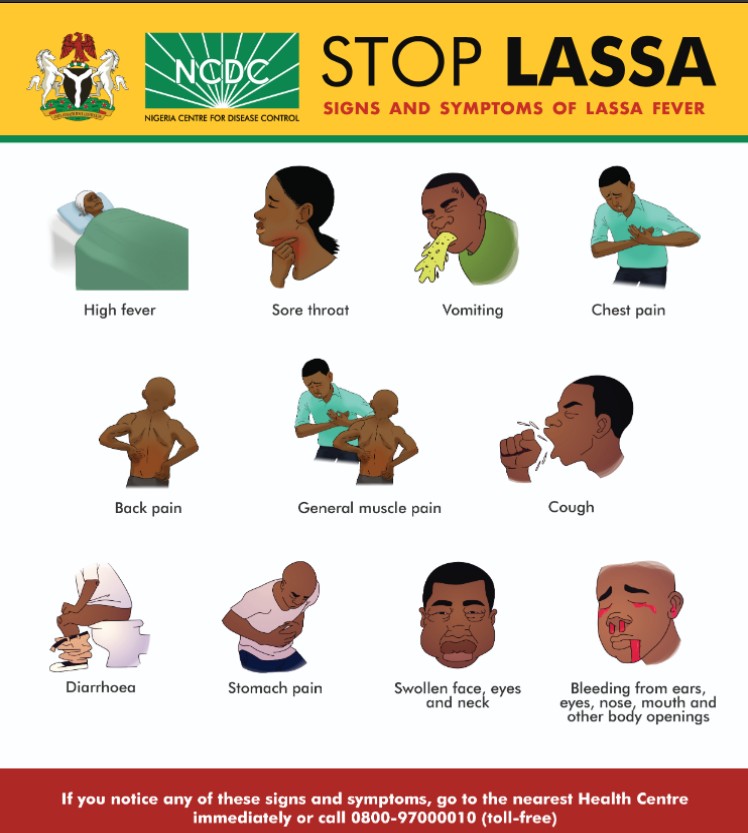
The federal disease control agency identified late medical presentation as the primary driver of the rising death toll. Many rural patients only seek professional hospital care when advanced haemorrhagic symptoms begin to manifest. This poor health-seeking behaviour is tightly linked to the high financial cost of comprehensive clinical management. The antiviral medication ribavirin remains expensive, and basic supportive care can easily bankrupt poor rural households. Families often exhaust traditional remedies before turning to formal medical centres.
Occupational exposure among frontline clinical staff is compounding the public health emergency. Dozens of healthcare workers have contracted the virus while treating infected patients in poorly equipped local clinics. This steady drain on medical personnel severely weakens the active institutional response capacity. In response, federal authorities have collaborated with global health partners to deploy a specialised healthcare worker protection plan. This short-term strategy aims to distribute essential personal protective equipment and reinforce infection controls within endemic states.
The demographic profile of the outbreak shows that young adults are bearing the brunt of the disease. Individuals aged between 21 and 30 years represent the most affected demographic cohort nationwide. This specific age distribution mirrors typical agricultural and domestic labor patterns where exposure to infected multi-mammate rats is highest. Poor environmental sanitation in congested peri-urban settlements and rural villages allows rodent populations to thrive unchecked. Grains and household food items stored in open containers invite contamination from rodent urine and faeces.
Epidemiological experts remain deeply concerned that overall metrics are outpacing historical baselines. While new weekly infections show occasional declines, the overall virulence and lethality remain significantly higher than figures from the same period last year. The national emergency operations centres remain fully activated, but state-level response funding remains critically low. Squeezing local healthcare budgets during an active epidemic guarantees a prolonged crisis. Without comprehensive environmental sanitation and subsidized clinical treatments, containment will remain a distant target.