
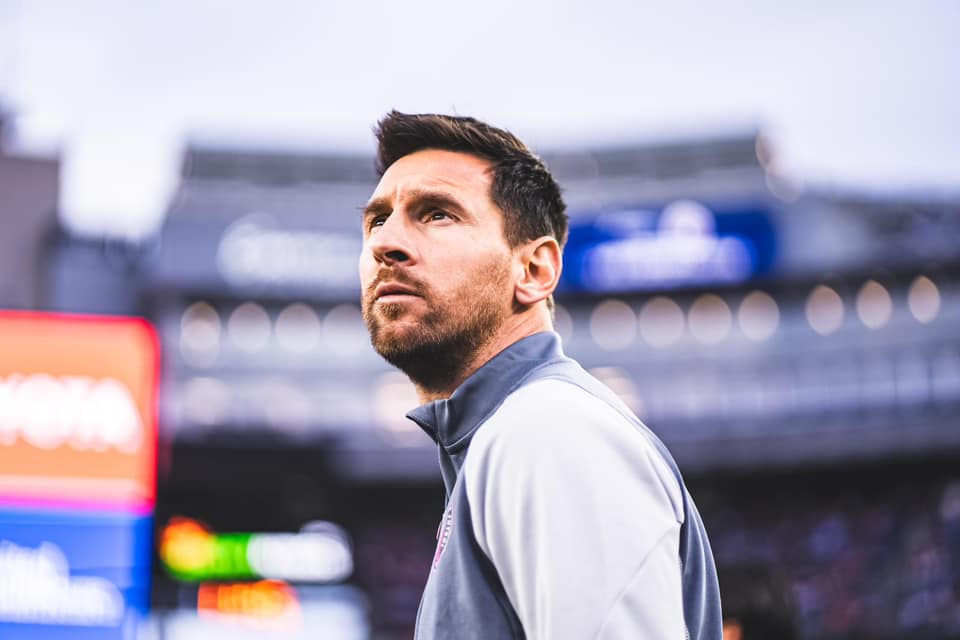
Lionel Messi reached an agreement in principle on Wednesday, 9 September 2026, to buy Spanish second-tier outfit Club Deportivo Eldense, expanding his business footprint across Iberian football. The Argentine captain plans to acquire 100 per cent of the club’s equity without third-party partners once technical auditors conclude due diligence. Current controlling shareholder Grupo TH, a Colombian corporate vehicle directed by Juan Carlos Trujillo, agreed to transfer its entire operational position in the Alicante team. Madrid regulators at Spain’s High Council for Sports must grant statutory clearance before the parties sign final binding documents. Eldense would become Messi’s first ownership stake in a fully professional Spanish football enterprise. The veteran forward continues to prepare his corporate life away from the pitch. Modern football superstars prefer equity to simple brand endorsements.
The transaction expands a multi-club sports network that the Messi family has built over recent months. The player acquired Catalan semi-professional side UE Cornellà in April 2026, anchoring his capital inside fifth-tier regional circuits. He also holds a commercial stake in Uruguayan outfit Deportivo LSM alongside Inter Miami teammate Luis Suárez. Eldense sits three divisions above Cornellà, keeping the clubs clear of statutory multi-club rules that bar common owners within single competitive flights. Yet Royal Spanish Football Federation regulations would block both entities from sharing a league table if Cornellà secures rapid promotions. Football authorities watch multi-club ownership webs with sharp regulatory suspicion. Elite athletes now control institutional competitors across borders.
The takeover lands at an unstable sporting moment for the centenarian club from Elda. Founded in 1921, Eldense spent almost sixty years outside the top two tiers of the Spanish pyramid before returning to the Segunda División in 2023. Relegation struck in 2025, but the squad earned an immediate return to the second flight this summer. The new campaign began miserably, yielding zero victories from their opening four league fixtures. Club directors sacked manager Claudio Barragán on Monday following the poor run of form, leaving the dressing room without a manager. Messi takes over a club in immediate competitive distress. On-pitch survival requires quick capital and sharp recruitment.
The small scale of the enterprise offers an inexpensive test for the forward’s sporting front office. Eldense plays its home fixtures at the municipal Nuevo Pepico Amat, a tight ground holding just 5,776 spectators. Small provincial clubs require strict wage discipline to survive inside the rigid financial fair play rules of La Liga 2. Spanish league president Javier Tebas polices squad spending limits through strict economic controls tied directly to audited club income. Big names on shareholder registers cannot bypass salary caps without real corporate revenue. Messi brings enormous commercial clout that can attract kit sponsors, broadcast interest, and merchandise deals to the modest venue. Commercial viability demands balance sheets that survive without constant shareholder bailouts. Modest grounds rarely generate big corporate windfalls.
The acquisition mirrors a broader trend among elite players who treat European football teams as viable alternative asset holdings. Kylian Mbappé acquired French club SM Caen through his private investment fund, while Ronaldo Nazário ran Real Valladolid for several turbulent seasons. Modern salaries give players capital reserves that rival traditional private equity houses. Second-tier Spanish teams offer steep capital appreciation for investors who can secure promotion to the lucrative top division. Yet lower-league management carries terrible financial pitfalls for inexperienced owners. Clubs burn cash quickly on veteran wages and severance settlements for sacked coaches. Football ownership remains a dangerous pursuit for vanity capital. Wealthy players discover that running clubs costs far more than scoring goals.
The move also prepares the ground for Messi’s long-term commercial return to Spain once his playing days in Miami wind down. Barcelona remains his family home, making regional investments in eastern Spain logistically convenient for his management group. Buying Eldense gives the Argentine star direct influence across the Spanish football establishment without having to run for political office at Camp Nou. The deal lets his family deploy liquid capital into European sport while avoiding the fierce political scrutiny of FC Barcelona’s boardroom. Regional clubs welcome celebrity owners who bring immediate global attention to neglected municipal stadiums. The local town council in Elda gains international headlines overnight without spending a single euro from municipal tax receipts. Global celebrity changes the fortunes of provincial towns.
The immediate challenge will be steadying the team on the grass before the season slips into terminal decline. Eldense needs a credible manager who understands the grinding realities of second-tier Spanish football. The dressing room cannot afford weeks of administrative drift while lawyers draft paperwork for the ministry in Madrid. Messi’s representatives must inject operating funds quickly to reassure local players and commercial partners that the club can meet its payroll obligations. Spanish football history is littered with foreign buyouts that promised grand transformations only to collapse into sudden bankruptcy court proceedings. The famous name on the deed will count for very little if the club tumbles into the regional third division next spring. Brand value crumbles when teams lose matches. Real football leadership begins with victories on the weekend.