
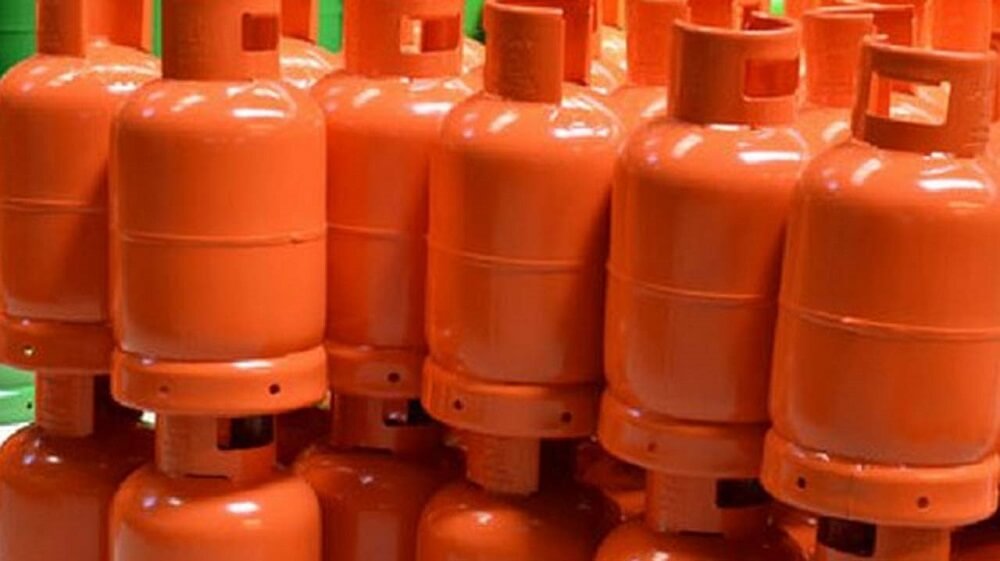
Inside Nigeria’s 91,966MT Cooking Gas Supply Gap
Liquefied Petroleum Gas marketers brought in 16,642.66 metric tonnes of cooking gas within the first 19 days of June to cushion a domestic supply gap that has driven prices to record highs and pushed many households back to charcoal and firewood.
The imports formed part of the 95,769.26 metric tonnes of LPG supplied into the domestic market between June 1 and June 19, according to figures released on Monday by the Nigerian Midstream and Downstream Petroleum Regulatory Authority. The data was presented by NMDPRA Chief Executive Rabiu Umar during an emergency stakeholders’ meeting convened by the Minister of State for Petroleum Resources (Gas), Ekperikpe Ekpo.
Four imported cargoes were discharged in Lagos during the review period. Algasco LPG brought in 2,047 metric tonnes on June 1, Rainoil Limited discharged 7,696.45 metric tonnes on June 15, and Algasco landed a further 3,900.63 metric tonnes on June 18 and 2,998.58 metric tonnes on June 19.
The surge in imports follows months of mounting pressure on the market. Cooking gas prices rose from about N1,000 per kilogramme earlier this year to as much as N2,400 per kilogramme, with some dealers quoting N2,500/kg in recent weeks. The National Bureau of Statistics had earlier captured the trend, reporting that the average price of a 5kg cylinder rose from N7,655.73 in March to N8,706.93 in April, a 13.73 per cent month-on-month increase.
NMDPRA figures show the strain runs deep. Nigeria recorded an LPG supply shortfall of 91,966 metric tonnes between January 1 and June 18, 2026, with total supply standing at 565,106 metric tonnes against a benchmark of 657,072 metric tonnes. The deficit reduced market coverage efficiency to 86 per cent, down from 88.4 per cent in 2025, and the regulator warned that the country could face a supply gap of 165,000 metric tonnes in the third quarter if current challenges persist.
The intervention, however, appears to be yielding gains. “Average daily supply in June, up to June 19, is 5,040 metric tonnes per day. This is an improvement from the 4,262 metric tonnes per day recorded in May 2026. It has also improved sufficiency up to 22 days,” Umar stated. The country’s stock position stood at 85.87 million kilogrammes as of June 21, representing 22.08 days of sufficiency, up from the 11 days recorded in May.
Despite the improvement, consumers still pay well above the regulator’s benchmarks. Cooking gas sells for between N1,600/kg and N2,100/kg in the South-West against an indicative range of N1,018/kg to N1,177/kg. The authority blamed “non-cost reflective pricing” by wholesalers and retailers, alongside infrastructure constraints.
Umar pointed to deeper structural causes.
“There is a domestic supply gap created by the incomplete domestication of local production. We also have an inadequate LPG infrastructure for distribution. Low LPG imports, global supply disruptions and price volatilities arising from the US-Israel-Iran conflict in the Middle East are impacting supply and pricing,” he said.
The export question remains central. Regulatory data showed Chevron exported all 148,222 metric tonnes of LPG it produced between January and May, the only producer with a 100 per cent export rate, even as the Federal Government maintains restrictions on LPG exports to prioritise local consumption.
An additional 44,100 metric tonnes from domestic sources was scheduled for discharge before the end of June, with Matrix LPG and Asharami Synergy each expected to receive 5,000 metric tonnes of imported product in Delta and Cross River states. NMDPRA also said the Anoh Gas Processing Plant is expected to add fresh volumes from July 2026.
Marketers project relief ahead. The Nigerian Association of Liquefied Petroleum Gas Marketers has said retail prices could fall to between N900 and N1,100 per kilogramme by the end of 2026 if reforms hold. Industry sources said prices had already eased below N2,000/kg over the weekend.