

Naira Holds Steady Near 1,362 Per Dollar
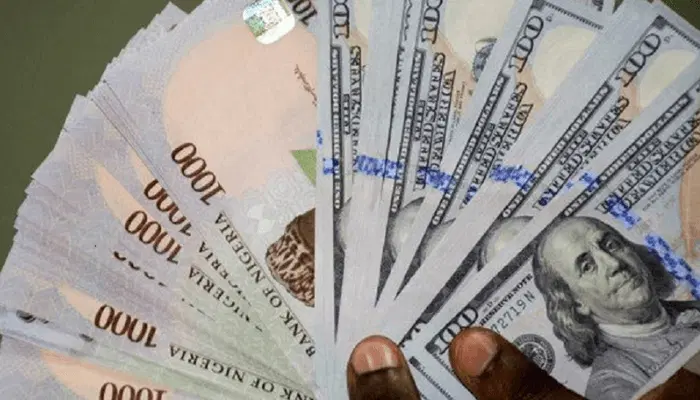
The naira stabilized near 1,362 to the US dollar on Monday morning as foreign exchange markets opened for weekly trading. Central Bank intervention helped quieten immediate panic across official and street trading windows. Yet structural dollar shortages continue to pressure local currency reserves month after month. Traders in Lagos report modest dollar liquidity following late liquidity injections by monetary authorities. Importers still face lengthy delays to clear valid commercial orders. Currency volatility remains a constant headache.
Parallel market operators quoted buying rates close to official platform figures in early dealings. Parallel street dealers sold dollars around 1,365 naira while official window rates hovered near 1,361 naira. Narrowing premiums between official and informal markets offer a rare moment of relief for monetary planners. But tight dollar supply means any surge in demand quickly breaks market balance. Manufacturers still scramble for greenbacks to settle foreign supplier invoices. Local factories operate under severe cost pressures.
Central Bank Governor Olayemi Cardoso continues his battle to restore investor faith in domestic financial markets. High interest rates attract offshore portfolio funds into local treasury bills and government bonds. Yet foreign investors remain cautious about long-term capital commitments inside the country. Bureaucratic hurdles still slow foreign direct investment entries across critical economic sectors. Capital flows remain thin and volatile despite attractive yields. High interest costs burden local businesses heavily.
Inflation figures closely mirror the weak trajectory of the local currency over recent months. Soaring costs for imported fuel and industrial inputs push consumer prices higher every week. Ordinary citizens watch their daily purchasing power melt away in real time. Small enterprise owners struggle to adjust pricing without scaring off cash-strapped local buyers. High food costs hit low-income households hardest across major urban centres. Basic survival grows more difficult for millions.
Export revenues offer little comfort to economic planners seeking permanent currency stability. Crude oil sales generate the bulk of foreign exchange earnings for federal coffers. Crude theft and pipeline vandalism constantly undermine national production targets in the Niger Delta. Non-oil exports generate insufficient earnings to bridge the country’s massive foreign trade deficit. The nation imports far more than it sells abroad. Deep economic imbalances persist across all sectors.
Monetary authorities face tough choices as foreign debt service obligations loom on the horizon. Depleting hard currency reserves limit the central bank’s ability to defend the naira indefinitely. Market forces will ultimately dictate where the currency finds its true floor. Synthetic rate pegs and short-term liquidity fixes cannot replace real economic productivity. Reform requires sustained industrial output alongside strict fiscal discipline. A stable naira demands hard work, not magic.