

Niger Delta Games Produce 17 World Junior Qualifiers
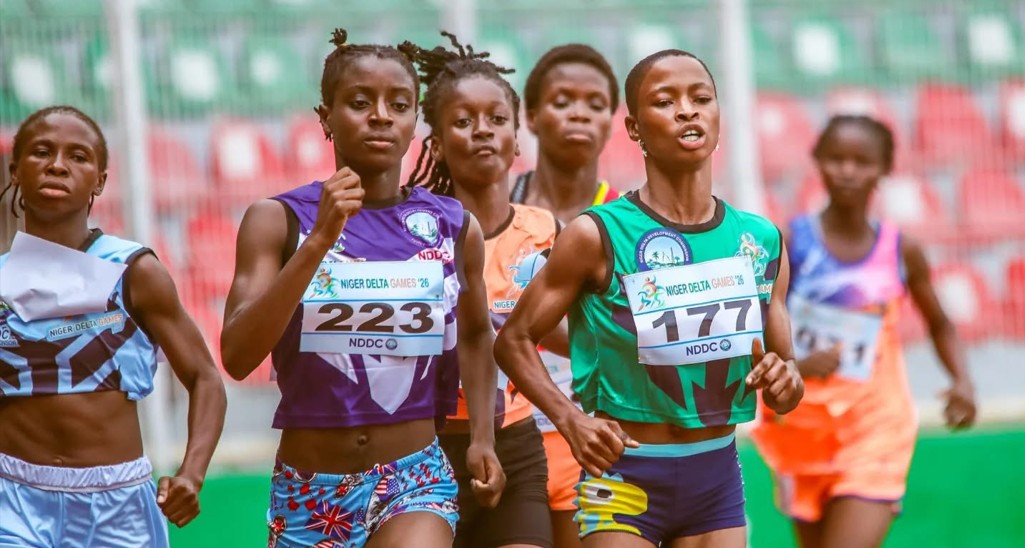
The second Niger Delta Games have yielded a bumper crop of talent for Nigeria’s track and field future. An interim technical report submitted to World Athletics confirms that 17 athletes met the qualifying standards for the upcoming World Under-20 Championships in the United States. The group comprises four boys and 13 girls, marking a significant success for the regional talent hunt. Enefiok Udo-Obong, the Games Technical Director, noted that the event is now an official fixture on the World Athletics calendar.
Delta State dominated the sprinting events, producing the standout performers in the 100-metre dash. Chibueze Osama and Godswill Sunday both eclipsed the global entry standard of 10.50 seconds, returning times of 10.42 and 10.44, respectively. On the girls’ side, Ejiro Peter led a quartet of qualifiers in the 100 metres with a sharp 11.58-second finish. These results suggest that grassroots investment in the South-South region is beginning to pay dividends.
The middle-distance and hurdles categories also saw athletes comfortably beating international benchmarks. In the 400-metre hurdles, Edo State’s Oseiwe Salami Ahusimenre clocked 51.75 seconds, nearly four seconds faster than the required 55-second limit. The girls’ 400-metre flat was particularly competitive, with six athletes, led by Delta’s Okereke Treasure, breasting the tape below the world standard of 55.20 seconds. This depth of talent provides a ready-made pool for Nigeria’s relay teams.
Field events were not left out of the success story in the Niger Delta. Favour Olise of Delta State secured her spot in the long jump with a leap of 6.33 metres, surpassing the world benchmark of 6.22 metres. This performance highlights the versatility of the athletes discovered during the meet. While track events often garner the most headlines, Olise’s qualification proves that technical field disciplines are also thriving in the region’s sports academies.
The ball is now in the court of the National Sports Commission (NSC) and the Athletics Federation of Nigeria (AFN). Udo-Obong, a Sydney Olympic gold medallist, emphasised that since the Games are officially recognised, these times and distances stand as valid entries for the global meet. The authorities must now decide on the logistics of sending this contingent to the United States. Failing to enter these athletes would be a waste of a rare, high-performance window.
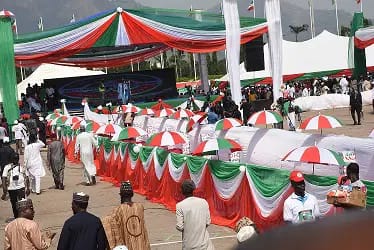
The inaugural edition of the Games received high-level political backing, with NSC Chairman Mallam Shehu Dikko representing the President at the opening. This institutional support is crucial if Nigeria hopes to transition these juniors into senior podium contenders. The Niger Delta has long been the engine room of Nigerian athletics; these results confirm that the furnace is still hot. Consistency in funding these regional trials will determine if this 17-strong list is a fluke or a new standard.