
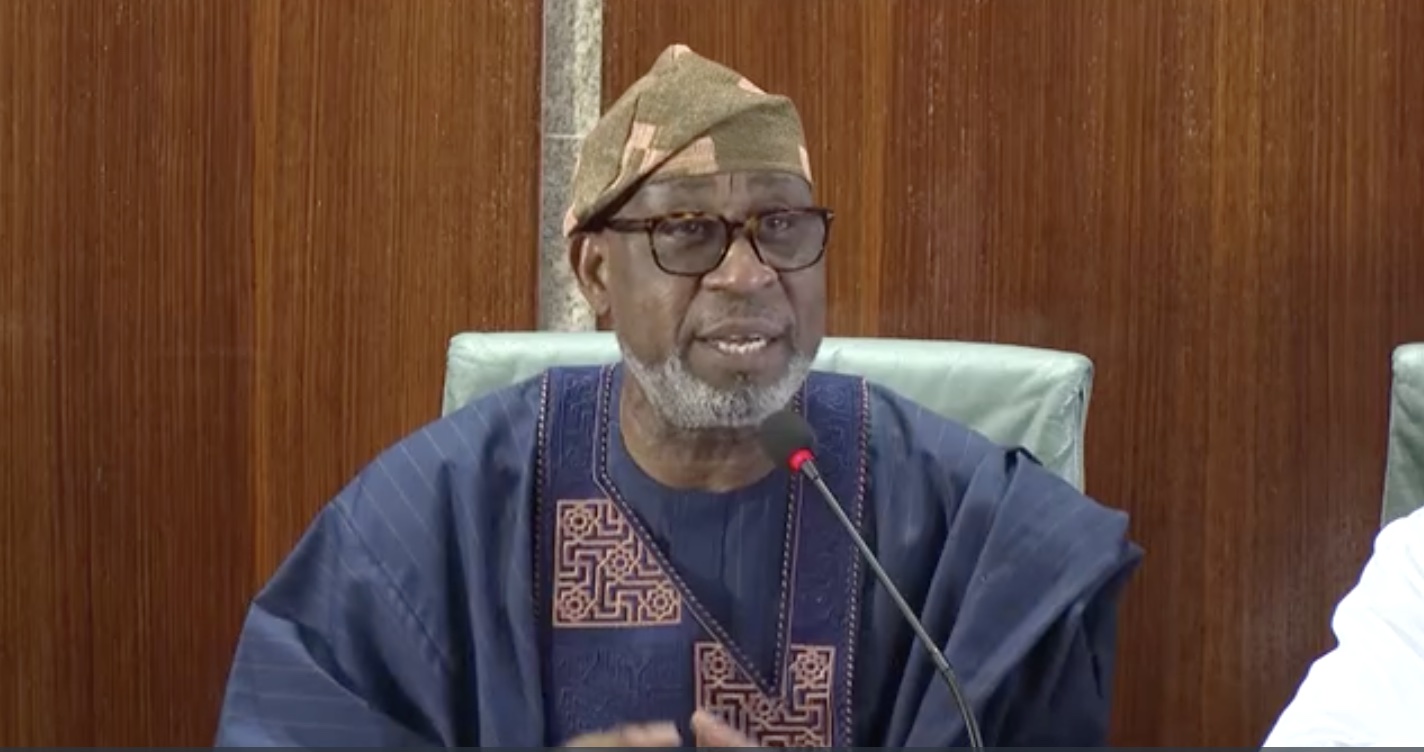
Nigeria and the African Development Bank have united in Abidjan to demand an immediate end to raw mineral exports across the continent. At a landmark ministerial summit, Solid Minerals Development Minister Dele Alake insisted African nations must process their critical minerals at home. The continent possesses vast reserves of battery metals and rare earth elements vital for global technology. Yet foreign buyers continue to ship unrefined rocks abroad for pennies while capturing trillions in added value. Strategic regional cooperation offers Africa its best path toward true economic sovereignty.
A major shift in technical reporting standards sits at the centre of this new continental push. Minister Alake called on African governments to ditch foreign reporting codes like Australia’s established standards in favour of the Pan-African Resource Reporting Code. Reliance on Western evaluation systems routinely undercounts the true financial worth of African geological assets. Controlling local data collection will allow governments to secure fairer valuations and better financing terms. Sovereign control over resource assessment must precede industrial success.
The Nigerian government proposed an ambitious regional processing corridor running from Lagos to Dakar to process minerals locally. Modeled on Southern Africa’s Lobito Corridor, the joint trade route would link regional supply chains across West Africa. Individual nations would focus on processing specific metals according to their natural comparative advantages. Shared industrial infrastructure lowers capital costs and reduces financial risks for domestic investors. Joint processing hubs can turn fragmented national markets into a single industrial force.
Financing constraints remain the primary hurdle preventing local industrialization across the mining sector. AfDB President Sidi Ould Tah noted that critical mineral wealth has failed to boost national growth rates substantially due to low foreign direct investment. Under the newly signed Abidjan Declaration, the bank pledged to deploy fresh capital instruments and technical support for high-impact projects. The bank aims to de-risk major infrastructure builds, including regional power grids and industrial transport links. Money must follow rhetoric if factories are to replace shipping containers.
Foreign mining houses and Western diplomats from Washington, Berlin, and Ottawa watched the summit proceedings with keen interest. Western economies urgently need secure supply chains for the global energy transition away from fossil fuels. African leaders are leveraging this unprecedented global demand to force international firms into building domestic refineries. Multinational corporations can no longer expect easy access to unrefined resources without investing in local communities. The days of simple resource extraction are quickly coming to an end.
Nigeria hopes this continental strategy will accelerate its own domestic economic diversification efforts back home. President Bola Tinubu’s administration has already restricted raw lithium exports to force foreign miners into constructing local processing plants. Industrializing the solid minerals sector could generate hundreds of thousands of technical jobs for young Nigerians. Success requires sustained political will and rigorous enforcement of local content regulations. Africa must refine its own wealth or remain permanently poor.