
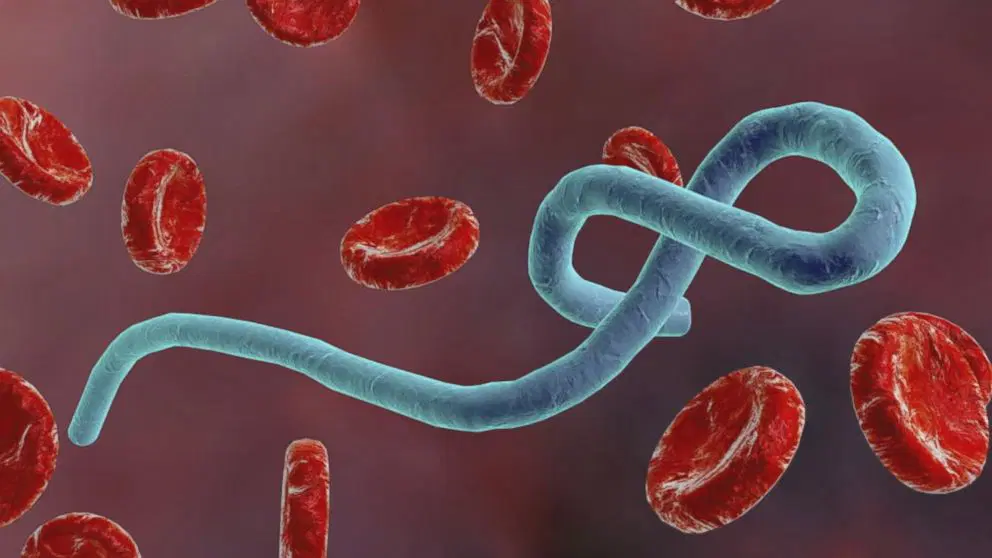
Nigeria’s public health network faces its sharpest trial since 2014 after health officials confirmed an imported case of the deadly Bundibugyo Ebola virus in the Federal Capital Territory. The patient landed in Abuja from Uganda on 3 October, fell ill four days later, yet received an official laboratory diagnosis only on 20 October. Slow detection creates wide gaps. Epidemiologists from the Nigeria Centre for Disease Control and Prevention must now track, test, and isolate forty-four exposed individuals across multiple locations before transmission widens.
The thirteen-day gap between the onset of symptoms and laboratory confirmation reveals deep weaknesses in border surveillance and hospital triage. The patient sought care at an Abuja private clinic on 11 October, where clinical staff handled the case without early barrier precautions. Speed stops viral outbreaks. When private doctors fail to suspect haemorrhagic fever early, hospital wards become hotbeds for disease spread.
The Coordinating Minister of Health and Social Welfare, Professor Muhammad Ali Pate, moved quickly to soothe public anxiety by declaring the outbreak fully contained. The aviation ministry placed forty-six individuals on a strict twenty-one-day domestic no-fly list to prevent the virus from slipping out of the federal capital. Words alone cannot kill viruses. Ordinary citizens still remember the panic of the 2014 Patrick Sawyer episode and harbour deep doubts about official competence.
Unlike the Zaire strain that terrorised West Africa a decade ago, the Bundibugyo species carries no approved commercial vaccines or licensed antibody therapies. Health workers must rely entirely on basic supportive care, swift contact tracking, and strict physical isolation. Science offers few shortcuts here. Medical teams must trace every taxi driver, clinic nurse, and relative who crossed paths with the patient during her infectious window.
Regional health authorities face a muddied epidemiological trail as genetic sequencing links the Abuja case to recent outbreaks in eastern Africa. Uganda had declared itself virus-free after forty-two days without an infection, which raises thorny questions about undocumented transmission routes across the continent. Open borders invite silent pathogens. African health security crumbles whenever neighbouring states hide or miss lingering community reservoirs.
The next fortnight will decide whether Nigeria repeats its celebrated 2014 public health triumph or stumbles into a costly medical emergency. Health officers monitor forty-four quarantined contacts through daily telephone calls and physical temperature checks to catch any early fever. Eternal vigilance remains the price. If even one symptomatic person evades health monitors, a quiet clinical blunder in Abuja could quickly spawn a national disaster.