
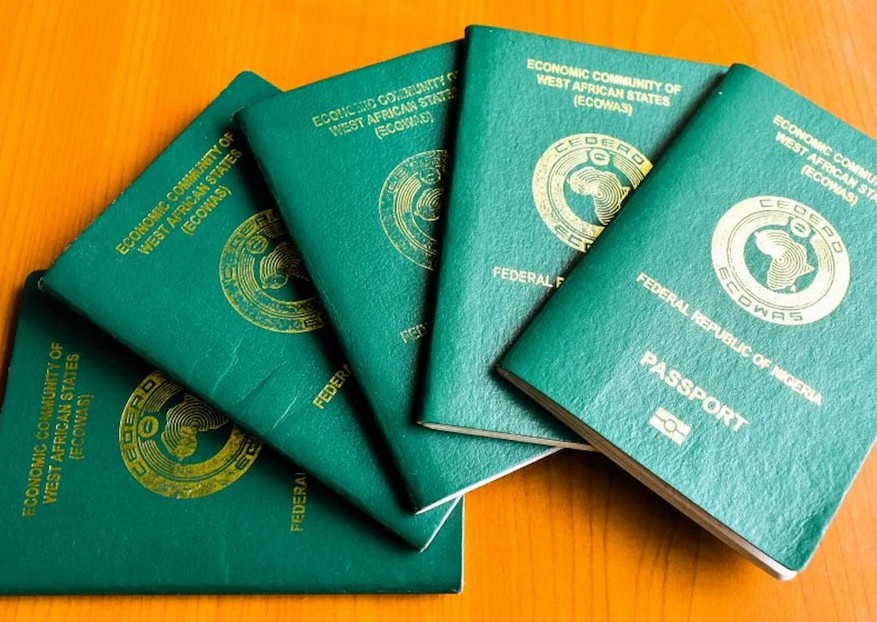
The Nigerian passport is climbing the global charts. While it rose six places on the Henley Passport Index to rank 89th this April, the move is an optical illusion. The rise stems from the collapse of other failing states rather than its own strength. In reality, the list of countries willing to welcome Nigerians without a visa has shrunk. Holders of the green booklet can now visit only 44 destinations freely. This is two fewer than last year.
Regional neighbours are leading the quiet snub. Ethiopia, once a reliable gateway for Nigerian travellers, now demands a visa before arrival. This policy shift followed closely after Ethiopian Airlines took a stake in Nigeria’s national carrier project. Zambia, Zimbabwe, and Lesotho have also tightened their borders. None of these countries cited a formal spat with Abuja. They simply moved Nigeria into the “visa required” category. It is an administrative cold shoulder that speaks volumes.
West African peers continue to outclass Nigeria in mobility. The Gambia, a tiny nation of fewer than 3 million people, holds 68 visa-free slots. Ghana and Senegal also sit much higher on the global index. Nigeria now finds itself near the bottom of the regional pile. Global leaders like Singapore offer access to 192 destinations. Nigeria’s score of 44 keeps it in the company of states struggling with far deeper crises.
The drop in access reflects a growing global wariness. Analysts suggest that the world sees Nigeria as increasingly inhospitable to its own youth. This leads to a perception that every traveller is a potential migrant looking for an exit. Embassies now enforce rules on Nigerians that they ignore for other nationals. Respect abroad is a mirror of stability at home. Until the local economy offers a reason to stay, other nations will keep the gates shut.
The Nigeria Immigration Service remains unfazed by these rankings. Officials argue that passport strength is a matter of bilateral politics rather than technology. They prefer to focus on meeting international security standards for the document itself. While a more secure chip is helpful, it does little for a traveller turned away at a border. Reciprocity is the currency of international travel. Nigeria currently has very little of it to spend.
Hope for the Nigerian traveller now lies in the Pacific. Fiji, Samoa, and Micronesia still offer open-door policies to developing nations. These nine new additions to the list help offset the losses in Africa. However, few Nigerians are booking flights to Niue or Montserrat for business or leisure. The loss of regional hubs like Ethiopia hurts far more than a gain in the South Pacific helps. The green passport is moving up the list, but the world is getting smaller.